

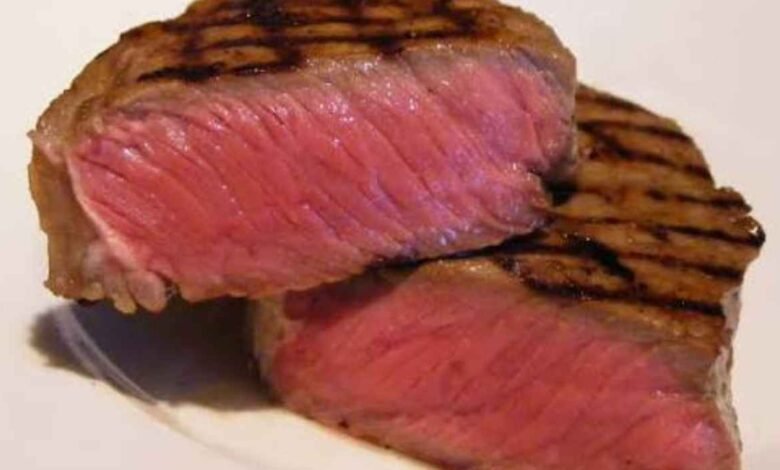
Cooking a delicious steak is all about understanding temperature, timing, and technique. Many steak lovers prefer a warm, tender center with a beautiful pinkish-red appearance and a flavorful crust. Achieving this result requires attention to internal temperature rather than relying only on cooking time or appearance. Whether you are preparing dinner at home, grilling outdoors, or using a cast-iron skillet, learning the correct temperature makes a significant difference. This guide explains everything from selecting the right beef cut to checking doneness, resting meat, and serving a restaurant-quality steak.
| Quick Information | Details |
|---|---|
| Topic | Steak doneness and cooking temperature |
| Popular doneness | Medium rare |
| Common culinary temperature | 130–135°F |
| Celsius equivalent | 54–57°C |
| Center appearance | Warm pinkish-red |
| Texture | Tender and juicy |
| Best checking tool | Digital meat thermometer |
| Popular cooking methods | Grilling, pan-searing, oven cooking |
| Recommended resting | Allow the steak to rest before slicing |
| Main ingredient | Beef steak |
1. Understanding Steak Doneness
Steak doneness describes how thoroughly beef has been cooked. Different levels create different textures, colors, and flavors. Some people enjoy a bright red center, while others prefer a completely cooked interior. Medium doneness offers a warm pink center, whereas medium rare is commonly associated with a warmer red center. Understanding these differences helps home cooks choose the right preparation method and avoid overcooking an expensive cut of beef.
2. What Is Medium Rare Steak?
Medium rare is a popular steak preference known for its balance of tenderness, moisture, and flavor. The center generally appears warm and reddish-pink, while the outside develops a delicious brown crust. The meat remains relatively soft when cut and offers a pleasant contrast between its exterior and interior. This cooking preference is especially popular among steak enthusiasts who enjoy the natural flavor and texture of quality beef.
3. Medium Rare Steak Temp Explained
The commonly used culinary target for medium rare is approximately 130–135°F (54–57°C) after resting. Some cooking guides recommend removing the steak from heat slightly earlier because its internal temperature continues rising during resting. However, this popular culinary target is below the USDA’s recommended safe minimum. For food safety, USDA recommends cooking whole beef steaks to 145°F (63°C), followed by at least three minutes of rest.
4. Why Internal Temperature Matters
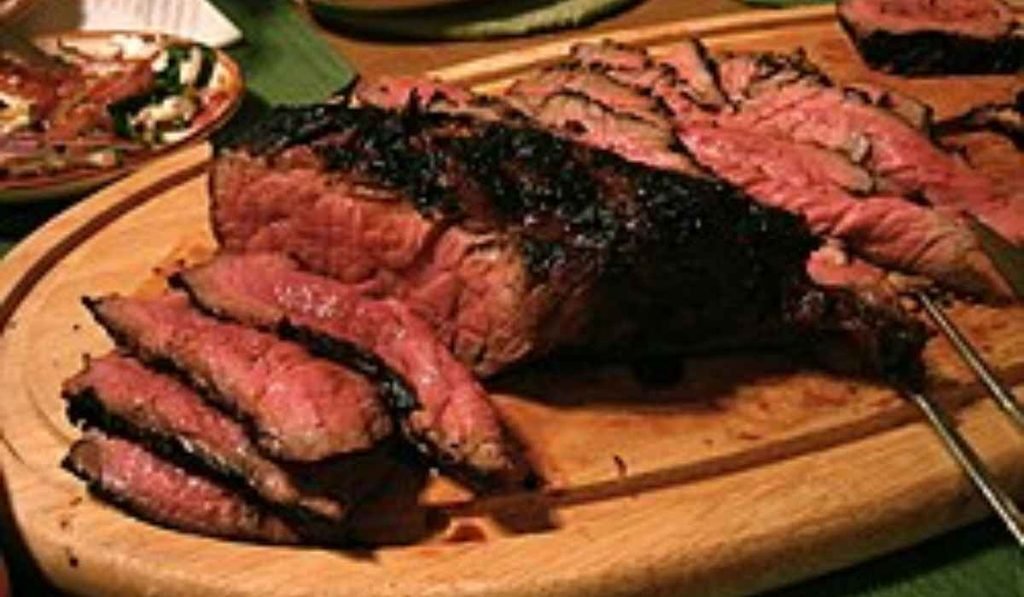
Internal temperature provides a more dependable indication of doneness than cooking time alone. Steak thickness, starting temperature, pan heat, and cooking equipment all affect how quickly beef cooks. A thermometer helps identify what is happening inside the meat without repeatedly cutting into it. This prevents unnecessary moisture loss and makes the cooking process more consistent. Measuring accurately is particularly important when preparing thick steaks or cooking several portions together.
5. Fahrenheit and Celsius Temperature Conversion
Understanding both temperature scales makes following international recipes easier. A culinary medium-rare target of 130–135°F equals approximately 54–57°C. These measurements are useful when using digital thermometers that allow different temperature settings. Always check whether a recipe refers to the temperature before resting or the final temperature afterward. This distinction can affect the result because residual heat continues cooking the steak after it leaves the pan.
6. Steak Doneness Temperature Chart
Different temperature ranges create different steak textures and appearances. The following chart provides commonly used culinary doneness targets. These are preference-based cooking temperatures, not a replacement for food-safety recommendations.
| Doneness | Approximate final temperature | Center appearance |
|---|---|---|
| Rare | 120–125°F | Red |
| Medium rare | 130–135°F | Warm red |
| Medium | 135–145°F | Warm pink |
| Medium well | 145–155°F | Slightly pink |
| Well done | 155°F and above | Mostly brown |
For safety, remember that USDA recommends 145°F followed by a three-minute rest for whole beef steaks.
7. Choosing the Right Steak Cut
The cut of beef influences flavor, tenderness, and cooking performance. Ribeye is known for its rich marbling, while filet mignon offers a particularly tender texture. New York strip provides a balance of tenderness and beefy flavor. Sirloin is another popular option because it is versatile and often more affordable. Selecting a suitable cut makes it easier to achieve a satisfying result, regardless of whether you use a grill or stovetop.
8. Best Steak Cuts for Juicy Results
Ribeye, strip steak, tenderloin, and sirloin are popular choices for home cooking. Ribeye contains intramuscular fat that contributes richness and flavor. Tenderloin is naturally delicate and has a softer texture. Strip steak provides a firmer bite, while sirloin offers excellent versatility. Your choice should depend on budget, personal preference, and cooking equipment. Thick, evenly cut steaks are generally easier to monitor because their centers heat more gradually.
9. Preparing Steak Before Cooking
Good preparation begins before the steak reaches the cooking surface. Remove excess moisture by gently patting the exterior with paper towels. Season the meat with salt and freshly ground black pepper. Allowing the surface to dry helps develop a flavorful crust during cooking. If you have refrigerated the steak, avoid leaving it at room temperature for extended periods. Follow safe food-handling practices and prepare the meat shortly before cooking.
10. Importance of a Meat Thermometer
A digital meat thermometer is one of the most useful kitchen tools for cooking steak. It measures the internal temperature and removes much of the uncertainty associated with visual inspection. Instant-read thermometers provide quick measurements, while leave-in models monitor cooking continuously. Choose a reliable thermometer with a thin probe for accurate readings. Clean the probe between uses, especially when handling raw meat and cooked food.
11. How to Measure Steak Temperature
Insert the thermometer probe into the thickest section of the steak. Position its tip near the center without touching the pan, bone, or large pockets of fat. For thinner steaks, inserting the probe horizontally from the side can provide a more useful measurement. Wait until the reading stabilizes before making a decision. Check multiple areas when necessary, particularly when cooking unusually thick or irregularly shaped pieces.
12. Cooking Steak in a Cast-Iron Skillet
A cast-iron skillet is excellent for producing a flavorful steak crust. Its ability to retain heat helps maintain a consistent cooking surface. Preheat the skillet, add a small amount of suitable cooking oil, and carefully place the seasoned steak inside. Allow the surface to brown before turning. Avoid overcrowding the pan because doing so can reduce heat and interfere with proper searing. Use a thermometer to monitor the center.
13. Grilling Steak to Perfection
Grilling creates a smoky flavor and attractive exterior that many people associate with restaurant-style steak. Preheat the grill and clean its cooking grates before adding the beef. Place the steak over direct heat to develop a browned surface, adjusting its position when necessary. Thicker pieces may benefit from indirect heat to finish cooking more evenly. Monitor the internal temperature carefully because grill intensity and outdoor conditions can change cooking times.
14. Cooking Steak in the Oven
Oven cooking provides controlled heat and works especially well with thick cuts. One popular approach is to sear the steak in a skillet before transferring it to a preheated oven. This combines exterior browning with more gradual interior cooking. Another method involves gently cooking the steak in the oven before finishing it with a hot sear. Whichever approach you choose, measure the center rather than relying on estimated cooking times.
15. The Reverse Searing Technique
Reverse searing is a useful technique for thick steaks. Instead of beginning with a hot pan, the steak first cooks slowly in a relatively low-temperature oven. Once the center approaches the desired culinary target, the meat receives a quick sear in a hot skillet. This method encourages more even cooking and creates a flavorful crust. It is particularly useful for thick ribeye, strip steak, and tenderloin portions.
16. Understanding Carryover Cooking
Carryover cooking happens when residual heat moves from the hotter exterior toward the cooler center after a steak leaves the cooking surface. As a result, internal temperature can continue increasing during resting. The amount of temperature change depends on thickness, cooking method, and heat intensity. This is why experienced cooks consider the final temperature rather than looking only at the reading immediately after removing meat from the pan.
17. Why Resting Steak Is Important
Resting allows the steak to settle after cooking and makes slicing easier. It also gives residual heat time to distribute throughout the meat. Place the cooked steak on a clean plate or cutting board and leave it undisturbed for an appropriate period. Avoid cutting immediately because doing so can release flavorful juices onto the plate. Follow food-safety guidance, including the recommended three-minute rest for whole beef steaks cooked to 145°F.
18. How Long Should Steak Rest?
Resting time depends on the size and thickness of the cut. A small steak generally requires less time than a thick ribeye or large strip steak. Many cooking methods use approximately five to ten minutes as a practical resting period, although food-safety requirements must still be followed. During this period, the temperature may rise slightly. Avoid wrapping the steak too tightly because trapped steam can soften its browned exterior.
19. Signs of Properly Cooked Steak
A properly prepared steak usually has an attractive brown exterior and a consistent interior appropriate to the selected doneness. Its texture should feel tender without being excessively soft or dry. However, color alone cannot confirm whether beef has reached a safe temperature. Lighting, meat pigments, and cooking conditions can affect appearance. A food thermometer is the most reliable way to evaluate internal temperature and make informed cooking decisions.
20. Common Mistakes When Cooking Steak
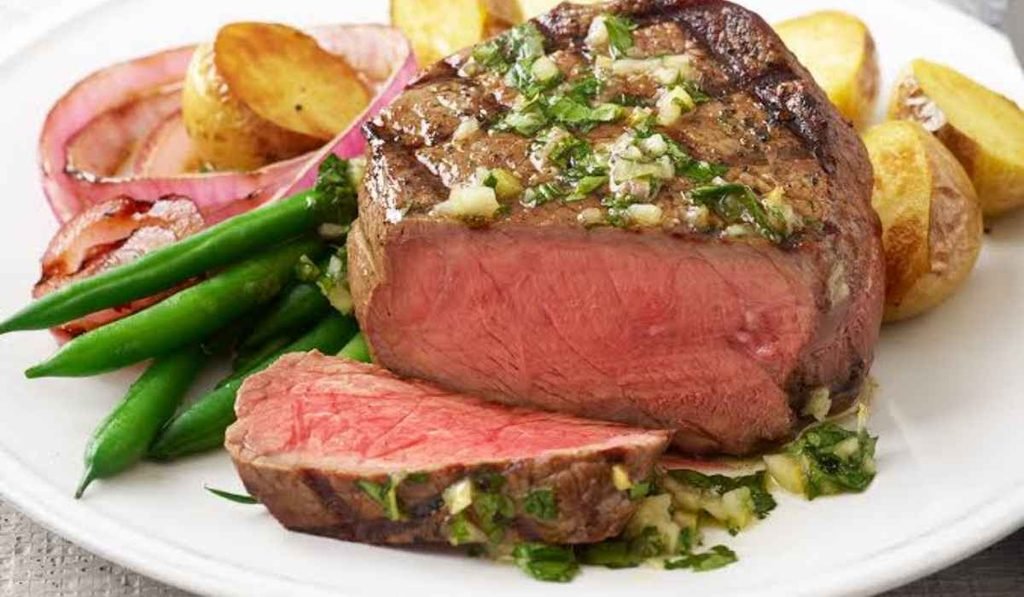
Several mistakes can affect the final quality of steak. Cooking meat without checking its internal temperature is one of the most common problems. Other mistakes include using insufficient heat for searing, overcrowding the pan, turning the meat too frequently without a plan, and cutting immediately after cooking. Excessive seasoning or applying too much oil can also affect flavor. Careful preparation and temperature monitoring help prevent these problems.
21. How to Avoid Overcooking Steak
Overcooking often happens when cooks depend entirely on estimated cooking times. Instead, monitor the center using an accurate thermometer and consider the thickness of the meat. Use moderate heat when cooking thicker cuts and adjust the cooking process when the exterior browns too quickly. Resting also matters because residual heat can increase the final temperature. These techniques help preserve tenderness and produce more consistent results.
22. Seasonings That Complement Steak
Simple seasoning can bring out the natural flavor of quality beef. Salt and black pepper remain classic choices because they enhance the meat without overwhelming it. Garlic powder, onion powder, paprika, and dried herbs can add additional complexity. Fresh rosemary and thyme work particularly well when used with butter during pan-searing. Season according to personal preference, and avoid adding ingredients that burn easily when exposed to very high heat.
23. Using Butter and Garlic for Flavor
Butter and garlic can create a rich finishing flavor. During the final stage of pan-searing, some cooks add butter, crushed garlic cloves, and fresh herbs to the skillet. They then spoon the melted mixture over the steak. This technique is often called butter basting. Keep the heat controlled because butter and garlic can burn. Proper timing helps develop a fragrant finish without creating bitter flavors.
24. Best Side Dishes for Steak
Steak pairs well with many traditional side dishes. Roasted potatoes, mashed potatoes, grilled vegetables, and fresh salads provide different textures and flavors. Creamed spinach is another popular steakhouse accompaniment. For a lighter meal, serve the beef with steamed broccoli or asparagus. Choosing complementary sides creates a balanced dinner without distracting from the main dish. You can also add a simple sauce for extra flavor.
25. Sauces That Improve Steak Flavor
A good sauce can enhance steak without hiding the natural taste of the beef. Peppercorn sauce offers a creamy, slightly spicy flavor, while chimichurri adds freshness through herbs, garlic, oil, and acidity. Mushroom sauce provides an earthy taste that complements rich cuts. Garlic butter is another simple option. Serve sauces separately when possible so everyone can adjust the amount according to personal preference.
26. Cooking Different Steak Thicknesses
Steak thickness influences cooking time and heat distribution. Thin cuts cook quickly, making them more challenging to monitor. Thicker steaks require more time for heat to reach the center, but they also offer greater control over the exterior and interior. A thermometer is especially valuable when preparing different thicknesses in the same meal. Measure each steak individually instead of assuming every piece will finish at the same time.
27. Cooking Frozen Steak
Cooking steak directly from frozen is possible with appropriate methods, although preparation requires additional attention. Keep frozen meat separate from ready-to-eat foods and use a suitable cooking technique. Some methods involve initially cooking the frozen steak over moderate heat before finishing with a high-temperature sear. Avoid guessing when the meat is ready. Check its internal temperature carefully and follow the recommended safe minimum for whole beef steaks.
28. Medium Rare Steak Temp for Different Cuts
Different cuts can respond differently to the same cooking process. Ribeye contains more marbling, while tenderloin has a naturally delicate texture. Sirloin may feel firmer, and strip steak offers a characteristic balance of tenderness and chew. The preferred culinary temperature can be similar across these cuts, but their cooking times may differ. Always measure the thickest section and consider the effect of residual heat before serving.
29. Is Medium Rare Steak Safe to Eat?
Food safety deserves particular attention when preparing undercooked beef. A pink center does not automatically mean a steak is unsafe, but appearance cannot establish safety either. The USDA recommends cooking whole beef steaks to at least 145°F (63°C), measured with a food thermometer, and allowing them to rest for at least three minutes. Lower culinary doneness targets do not meet this recommendation. People at higher risk from foodborne illness should be especially cautious.
30. Difference Between Whole Steak and Ground Beef
Whole steaks and ground beef have different food-safety requirements. Harmful bacteria are generally concentrated on the exterior of an intact steak, whereas grinding can distribute contamination throughout the meat. Consequently, the USDA recommends cooking ground beef to 160°F (71°C). This is why a burger should not automatically be prepared using the same doneness assumptions as an intact steak. Always follow the appropriate temperature guidance for the specific meat product.
31. Food Safety Tips for Handling Raw Beef
Safe handling begins when purchasing and storing beef. Keep raw meat refrigerated and separate from ready-to-eat ingredients. Wash hands, utensils, and preparation surfaces after contact with raw beef. Never reuse a plate that previously held uncooked steak without washing it. Refrigerate leftovers promptly and reheat them appropriately. These simple habits reduce the risk of cross-contamination and help protect everyone enjoying the meal.
32. Storing Leftover Steak Properly
Leftover steak should be placed in a clean, covered container and refrigerated promptly. Avoid leaving cooked meat at room temperature for extended periods. Divide large portions into smaller containers to encourage faster cooling. When reheating, use a food thermometer and follow appropriate food-safety recommendations. Proper storage helps maintain flavor and texture while reducing the risk of bacterial growth. If leftovers have been stored incorrectly, discard them rather than taking unnecessary risks.
33. Reheating Steak Without Drying It Out
Reheating steak requires gentle heat to prevent excessive moisture loss. A low-temperature oven can warm thicker portions gradually, while a covered skillet can work for smaller pieces. Adding a small amount of broth or another suitable liquid may help maintain moisture. Avoid relying on appearance alone when reheating leftovers. USDA guidance recommends reheating leftovers to 165°F (74°C) for food safety.
34. Restaurant-Quality Steak at Home
Preparing restaurant-quality steak at home does not require expensive equipment. A reliable skillet, fresh beef, appropriate seasoning, and a digital thermometer can make a substantial difference. Focus on developing a flavorful exterior while monitoring the center carefully. Allow the steak to rest and use a sharp knife when slicing. Paying attention to these details creates a more enjoyable dining experience and helps improve cooking consistency over time.
35. Tips for Beginners Cooking Steak
Beginners should start with a manageable cut, such as strip steak or sirloin. Read the cooking instructions before starting and prepare the thermometer, seasoning, and serving plate in advance. Avoid changing the heat constantly because consistent cooking conditions are easier to manage. Most importantly, do not be discouraged by imperfect results. Every cooking attempt provides useful experience and helps develop better timing, temperature awareness, and confidence.
36. Frequently Asked Questions About Steak Temperature
Learning about steak doneness becomes easier when common questions are answered clearly. The following answers cover popular temperature measurements, cooking techniques, and food-safety considerations. They can help beginners understand the difference between culinary preferences and recommended safe cooking temperatures.
1. What temperature is medium rare steak?
– The commonly preferred culinary target is 130–135°F (54–57°C) after resting, although USDA recommends 145°F followed by a three-minute rest for food safety.
2. Is 135°F considered medium rare?
– Yes, 135°F is commonly used as the upper end of the culinary medium-rare range and produces a warm reddish center.
3. How long should steak rest after cooking?
– Resting for approximately five to ten minutes is common for many steaks, but USDA recommends at least three minutes after whole beef reaches 145°F.
4. Can I cook steak without a thermometer?
– You can estimate doneness using visual and touch-based methods, but a food thermometer provides a more reliable measurement of internal temperature.
5. What is the safest temperature for beef steak?
– USDA recommends a minimum internal temperature of 145°F (63°C), followed by a resting period of at least three minutes.
37. Final Thoughts on Cooking the Perfect Steak
Preparing a delicious steak involves choosing quality beef, controlling heat, measuring internal temperature, and allowing enough resting time. Understanding the difference between popular culinary doneness preferences and official food-safety recommendations is equally important. With practice, home cooks can develop better techniques and prepare flavorful meals using a skillet, grill, or oven. For additional background about beef, steak preparation, and meat science, explore the related Steak article on Wikipedia. Combining reliable cooking information with safe food-handling practices will help you make more informed decisions whenever you prepare steak at home.