

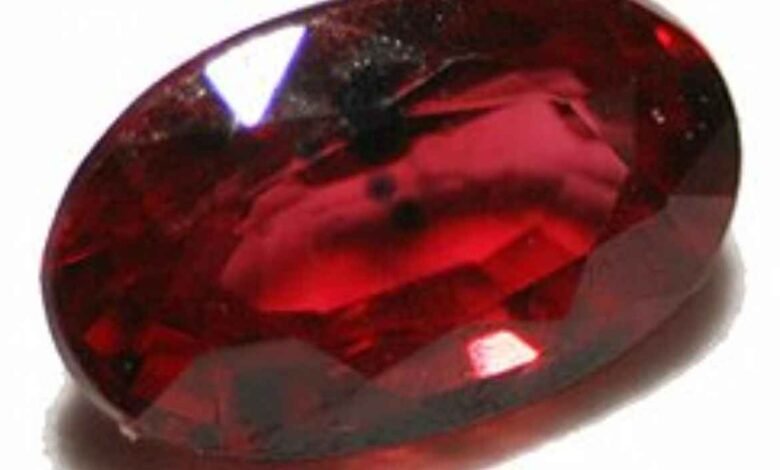
Introduction to June Birthstone
The June birthstone is special because it is represented by three beautiful gemstones: pearl, alexandrite, and moonstone. Each stone has its own appearance, history, symbolism, and unique qualities. These gemstones are associated with elegance, love, wisdom, purity, and personal transformation. People born in June have several choices when selecting jewelry or a meaningful birthday gift. From the timeless beauty of pearls to the fascinating color-changing appearance of alexandrite, June’s gemstones offer something for every personality and style.
Quick Bio Table
| Feature | Details |
|---|---|
| Birth month | June |
| Traditional gemstones | Pearl, Alexandrite, Moonstone |
| Main colors | White, cream, green, red, blue, rainbow |
| Associated meanings | Love, purity, wisdom, transformation |
| Pearl type | Organic gemstone |
| Alexandrite type | Chrysoberyl variety |
| Moonstone type | Feldspar mineral |
| Popular jewelry | Rings, necklaces, earrings, bracelets |
| Common gift occasions | Birthdays, anniversaries, celebrations |
| Zodiac associations | Gemini and Cancer |
1. What Makes June’s Birthstones Special?
June stands out because it has three recognized birthstones rather than just one. This variety gives people more freedom to choose a gemstone that matches their preferences. Each stone has a different origin and visual appeal. Pearls offer a classic and elegant appearance, alexandrite attracts attention through its changing colors, and moonstone creates a soft glow. Together, these gemstones represent different aspects of beauty, personality, and emotional meaning.
2. The History of June’s Birthstone
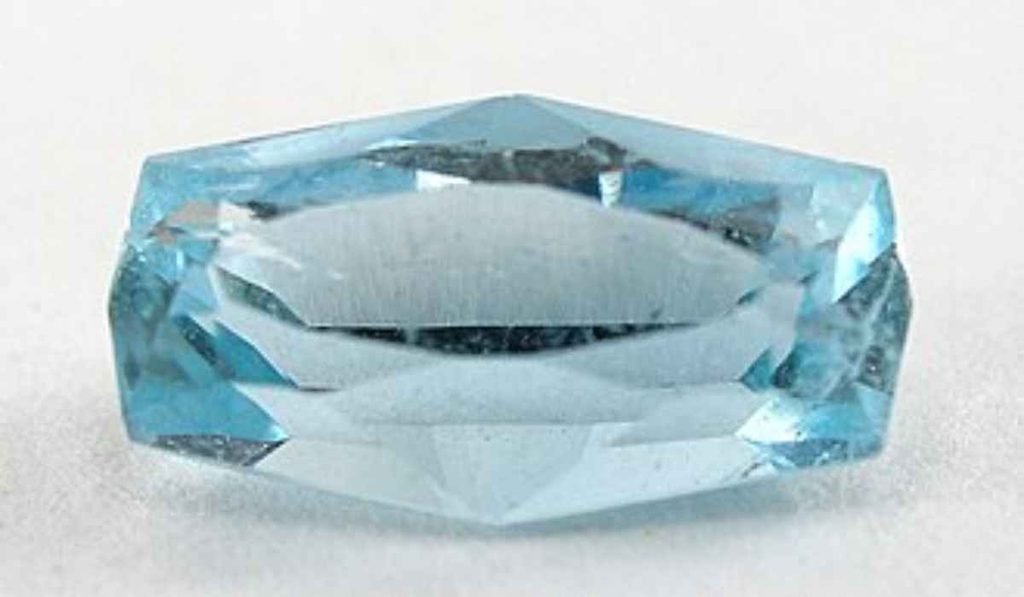
The tradition of assigning gemstones to birth months has developed over many centuries. Ancient cultures connected precious stones with protection, spiritual beliefs, and personal identity. Modern birthstone lists evolved through different historical and jewelry traditions. June’s three gemstones became recognized options because of their beauty and popularity. Their individual histories are much older than the modern calendar system, with pearls and moonstones appearing in ancient jewelry and alexandrite becoming famous during the nineteenth century.
3. Pearl: The Traditional June Gemstone
Pearl is one of the most recognizable gemstones associated with June. Unlike most gemstones, pearls form inside living mollusks, including oysters and freshwater mussels. Their natural shine, smooth surface, and delicate colors make them popular in jewelry. Pearls can be white, cream, pink, golden, gray, or black. Their timeless appearance has made them symbols of sophistication and elegance across different cultures.
4. The Meaning and Symbolism of Pearls
Pearls are traditionally associated with purity, innocence, wisdom, and sincerity. Their smooth appearance and natural formation have inspired many cultural stories and symbolic interpretations. Some people also associate them with calmness, emotional balance, and lasting relationships. These meanings make pearls meaningful birthday and anniversary gifts. Although symbolism varies between cultures, their connection with elegance and personal beauty remains widely appreciated.
5. How Natural Pearls Are Formed
Natural pearls develop inside certain mollusks when an irritant or biological trigger causes the animal to deposit layers of nacre. Over time, these layers create the pearl’s characteristic shine. Natural pearl formation is relatively rare, which contributes to their value. Their shape, color, size, surface quality, and luster influence their appearance and market price. Every natural pearl has distinctive characteristics.
6. Cultured Pearls and Their Popularity
Cultured pearls are produced with human assistance, but they develop naturally inside living mollusks. Pearl farmers carefully introduce a small nucleus or tissue into the mollusk and allow nacre to build around it. This process produces beautiful pearls in controlled farming environments. Cultured varieties are available in different sizes, shapes, and colors. They are widely used in necklaces, earrings, bracelets, and decorative jewelry because they combine natural beauty with greater availability.
7. Different Types of Pearls
There are several popular pearl varieties, each offering a June Birthstone distinctive appearance. Akoya pearls are known for their round shapes and brilliant shine. South Sea pearls are often larger and come in white or golden shades. Tahitian pearls are famous for their dark colors, including green, gray, and peacock tones. Freshwater pearls offer many shapes and colors at different price points. Understanding these varieties helps buyers select jewelry that matches their budget and personal taste.
8. Alexandrite: The Fascinating Color-Changing Gem
Alexandrite is one of the most fascinating gemstones associated with June. It belongs to the chrysoberyl mineral family and is famous for its unusual color-changing effect. Under daylight, high-quality stones can appear green or bluish green. Under warm incandescent lighting, they may look red or purplish red. This remarkable optical property makes alexandrite especially desirable among gemstone collectors and jewelry enthusiasts.
9. The History Behind Alexandrite
Alexandrite was discovered in Russia’s Ural Mountains during the nineteenth century. Its name honors Alexander II, who later became the Russian emperor. The gemstone attracted attention because its green and red colors resembled the colors associated with imperial Russia. Early discoveries created excitement among royal families and collectors. Over time, new deposits were identified in other countries, helping introduce this rare gemstone to international jewelry markets.
10. Alexandrite Meaning and Symbolism
Alexandrite is commonly associated with transformation, confidence, balance, and creativity. Its changing appearance represents the ability to adapt to different situations and appreciate new perspectives. Some gemstone enthusiasts connect it with emotional growth and personal strength. These symbolic meanings make it an interesting gift for someone entering a new stage of life. However, such associations are traditional beliefs rather than scientifically proven benefits.
11. Why Alexandrite Is So Valuable
The rarity of natural alexandrite is one of the main reasons behind its high value. Fine-quality stones with a strong color change are particularly desirable. Their size, clarity, cutting quality, origin, and color intensity influence their market price. Large natural examples can be extremely expensive. Buyers should request reliable gemstone identification and documentation before making a major purchase, especially when a stone is advertised as rare or investment quality.
12. Moonstone: The Gem with a Magical Glow
Moonstone is the third gemstone traditionally associated with June. It belongs to the feldspar mineral group and is admired for its soft, glowing appearance. Its most attractive feature is called adularescence, an optical effect that creates a moving light across the surface. Some stones display a beautiful blue sheen, while others have white, peach, gray, or rainbow-like appearances. Its gentle beauty makes it popular in artistic and contemporary jewelry.
13. The Meaning of Moonstone
Moonstone has traditionally symbolized intuition, love, emotional balance, and new beginnings. Its glowing appearance has inspired associations with moonlight and natural cycles. In different cultural traditions, it has been connected with lunar deities and ideas of good fortune. Many people choose it because of its peaceful appearance and symbolic connection with personal growth. These interpretations are part of gemstone folklore, not established medical or scientific facts.
14. Moonstone History and Cultural Importance
Moonstone has appeared in jewelry and decorative objects for centuries. Ancient writers connected its changing glow with the phases of the moon. During the Art Nouveau period, designers used it in elegant pieces featuring flowing shapes and natural themes. Its popularity returned during later artistic movements, when jewelry makers appreciated its unusual optical effect. Today, collectors value moonstone for its distinctive appearance and connection with historical craftsmanship.
15. Where Are These Three Gemstones Found?
These gemstones come from different geographical locations. Pearls are produced in saltwater and freshwater environments through mollusk farming and natural formation. Alexandrite has important sources in Brazil, Sri Lanka, and parts of East Africa, although its historic Russian deposits made it famous. Moonstone is found in countries including India, Sri Lanka, Madagascar, Myanmar, and Tanzania. Their different origins contribute to their distinctive characteristics and availability.
16. June Birthstone Colors Explained
One interesting feature of these gemstones is their wide range of colors. Pearls commonly appear white, cream, pink, golden, gray, and black. Alexandrite is recognized for shifting between green and red shades under different lighting conditions. Moonstone often displays milky white, blue, peach, or rainbow-like effects. This variety makes June jewelry especially attractive to people who enjoy different colors and prefer gemstones with individual personalities.
17. Comparing Pearl, Alexandrite, and Moonstone
Choosing between the three stones depends on appearance, durability, availability, and budget. Pearls are ideal for people who appreciate traditional elegance. Alexandrite attracts collectors who enjoy rare gemstones and unusual optical properties. Moonstone appeals to people who prefer soft colors and a delicate glow. Each gemstone offers a different experience, so there is no single choice that suits everyone. Personal taste should remain the most important consideration.
18. Which June Gemstone Is the Most Popular?
Pearls have long enjoyed widespread popularity because they are suitable for everyday accessories and formal occasions. Alexandrite is especially admired by collectors because of its rarity and color-changing effect. Moonstone attracts buyers who appreciate artistic jewelry and softer gemstone colors. Popularity can vary according to location, fashion trends, availability, and price. All three remain meaningful choices for people celebrating a June birthday.
19. June Birthstone Jewelry Ideas
Jewelry provides a beautiful way to celebrate a birth month. Pearl necklaces and earrings create a classic appearance, while alexandrite rings offer a distinctive and colorful design. Moonstone pendants and bracelets are attractive options for people who prefer subtle jewelry. These stones can be set in gold, silver, platinum, or other suitable metals. The best design is one that complements the wearer’s lifestyle and personal fashion preferences.
20. Choosing the Right Ring
A gemstone ring can become a meaningful personal accessory or a memorable birthday present. Alexandrite is relatively durable and suitable for many ring designs. Pearls require more protection because their surfaces are softer and can scratch easily. Moonstone also needs careful handling because it has limited toughness. When choosing a ring, consider the setting, gemstone quality, expected use, and professional cleaning requirements before purchasing.
21. Necklaces and Pendants for June Birthdays
Necklaces are among the most versatile jewelry gifts. A pearl necklace offers timeless sophistication and can complement both traditional and modern outfits. Alexandrite pendants create a more unusual appearance because their color changes with lighting. Moonstone necklaces provide a gentle shimmer that works beautifully with simple clothing. Buyers can select delicate chains, statement pendants, or layered designs depending on the recipient’s preferences.
22. Earrings and Bracelet Designs
Earrings and bracelets provide additional ways to enjoy these gemstones. Pearl studs are popular because they are simple, elegant, and easy to coordinate with different outfits. Alexandrite earrings create a distinctive look for special occasions. Moonstone bracelets offer soft reflections and artistic charm. When purchasing jewelry, check the quality of the metal, the security of the gemstone setting, and the comfort of the design.
23. June Birthstone and Zodiac Connections
June includes two zodiac signs: Gemini and Cancer. Gemini generally covers the beginning and middle portion of the month, while Cancer begins toward the end. Birthstone traditions sometimes connect gemstones with zodiac characteristics and personality symbolism. Pearls may represent emotional sincerity, alexandrite transformation, and moonstone intuition. These connections are cultural and astrological interpretations rather than scientifically established descriptions of individual personalities.
24. How to Select a Quality Pearl
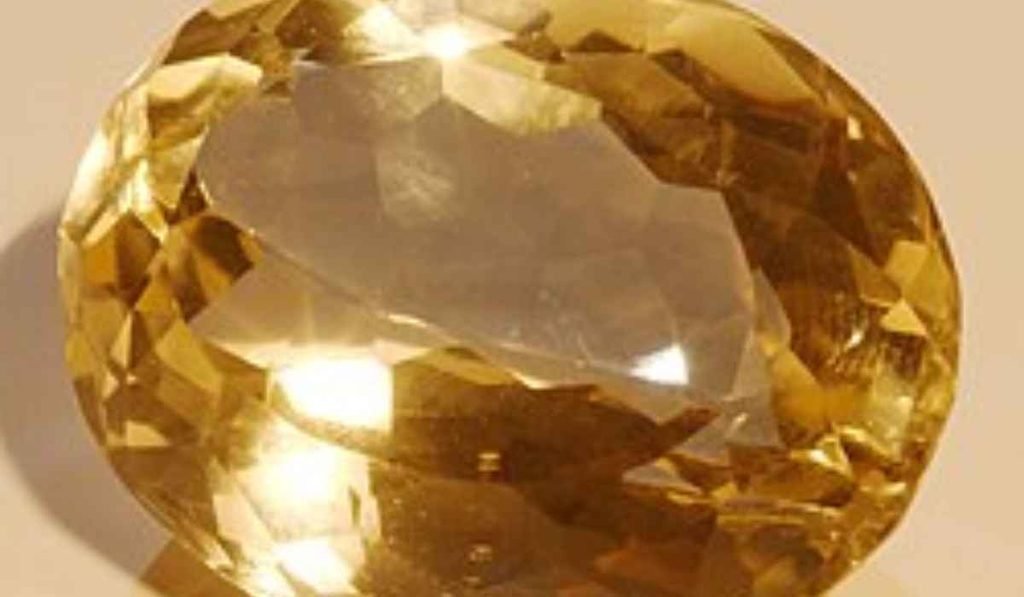
When purchasing pearls, examine their luster, surface condition, shape, size, and color. Strong luster creates attractive reflections and often makes a pearl look more beautiful. Smooth surfaces and matching shapes are important when buying a necklace or pair of earrings. Natural and cultured pearls should be clearly identified by the seller. A trustworthy jeweler can explain the pearl’s origin, treatment, and quality before you make a decision.
25. How to Identify Genuine Alexandrite
Authentic alexandrite displays a noticeable color change under different lighting conditions. However, the strength and quality of this effect vary between stones. A professional gemological laboratory can identify the mineral and distinguish natural material from laboratory-grown alternatives or imitations. Buyers should avoid relying only on photographs because camera settings and artificial lighting can change gemstone colors. Proper documentation is particularly important when purchasing expensive specimens.
26. How to Choose Beautiful Moonstone
A quality moonstone should display an attractive glow and pleasing transparency. Blue sheen is especially desirable in certain varieties, although other colors can also be beautiful. Examine the stone under different lighting conditions to understand its appearance. Check for visible cracks, chips, and distracting imperfections. A well-cut gemstone should show its optical effect clearly. Buying from a reputable seller helps reduce the risk of receiving an imitation.
27. June Birthstone Care and Cleaning Tips
Proper care helps preserve the appearance of gemstone jewelry. Pearls should be wiped gently with a soft, damp cloth after wearing. Keep them away from perfumes, hairspray, cosmetics, and harsh cleaning products. Moonstone is best cleaned using warm, soapy water and a soft brush. Alexandrite can also be cleaned with mild soapy water. Avoid using unsuitable cleaning equipment without professional advice.
28. How to Store Gemstone Jewelry
Storing jewelry correctly can prevent scratches, damage, and unnecessary wear. Pearls should be kept separately from harder gemstones because their surfaces are relatively delicate. Moonstone should also be protected from knocks and sudden temperature changes. Alexandrite is harder, but individual storage is still useful for maintaining jewelry condition. Soft-lined jewelry boxes, separate compartments, and protective pouches are practical storage solutions.
29. Are These Gemstones Suitable for Everyday Wear?
The suitability of each gemstone depends on its physical properties and the type of jewelry. Alexandrite is relatively hard and has good toughness, making it suitable for many frequently worn designs. Pearls are softer and benefit from occasional rather than rough everyday use. Moonstone can be vulnerable to impact and should be worn carefully. Choosing protective settings and following suitable care instructions can help extend jewelry life.
30. June Birthstone Gift Ideas for Loved Ones
A gemstone gift can communicate thoughtfulness and appreciation. Pearl earrings make excellent presents for people who enjoy classic accessories. Alexandrite jewelry is a memorable choice for someone who appreciates unusual and rare stones. Moonstone pendants can be suitable for people who prefer delicate designs. Consider the recipient’s favorite colors, jewelry habits, and preferred metal before selecting a gift. Personal preferences matter more than traditional symbolism.
31. Are Lab-Grown Alexandrites Worth Considering?
Laboratory-grown alexandrites provide another option for people who appreciate their color-changing appearance. These stones can have similar chemical and optical properties to natural alexandrite, but their origins and market values are different. They are generally more accessible than rare natural examples. Sellers should clearly disclose whether a gemstone is natural or laboratory-grown. A professional report can help buyers understand exactly what they are purchasing.
32. Natural and Cultured Pearls: Important Differences
Natural pearls form without deliberate human intervention, while cultured pearls develop after people introduce a nucleus or tissue into a mollusk. Both types are genuine pearls, although their formation processes differ. Natural pearls are usually much rarer, while cultured pearls account for most modern pearl jewelry. Their value depends on quality, size, luster, shape, origin, and other characteristics. Understanding this difference helps buyers make informed decisions.
33. The Role of Gemstones in Modern Fashion
Gemstones continue to influence modern fashion through necklaces, rings, bracelets, and earrings. Designers combine traditional materials with contemporary shapes to create jewelry for different generations. Pearls can complement professional clothing, while alexandrite offers an unusual accent for evening wear. Moonstone works well with minimalist and artistic designs. The growing range of settings and styles allows people to enjoy traditional gemstones in fresh and creative ways.
34. Why June Gemstones Make Meaningful Birthday Gifts
Birthstones create a personal connection between jewelry and important celebrations. Giving someone a gemstone associated with their birth month can make a present feel more thoughtful. The three June options also allow buyers to select something that reflects the recipient’s taste. Whether the choice is a pearl bracelet, alexandrite ring, or moonstone pendant, the gift can become a lasting reminder of a special occasion.
35. Common Myths About Birthstones
Many traditional beliefs connect gemstones with protection, luck, health, and emotional benefits. These stories have contributed to their cultural importance throughout history. However, there is no reliable scientific evidence that wearing a gemstone can cure illnesses, guarantee good fortune, or change someone’s personality. Birthstones are best appreciated for their natural properties, craftsmanship, cultural history, and personal significance rather than unsupported promises.
36. The Future of Birthstone Jewelry
The jewelry industry continues to develop new designs, materials, and gemstone identification methods. Consumers increasingly value transparency about gemstone origins, treatments, and laboratory-grown alternatives. Pearl farming, gemstone sourcing, and responsible manufacturing are important considerations for modern buyers. Traditional gemstones remain popular because they combine natural beauty with personal meaning. New technologies and changing fashion preferences will likely continue shaping the future of birthstone jewelry.
37. How to Match Gemstones with Different Outfits
Gemstone jewelry can enhance different clothing styles when selected thoughtfully. Pearl accessories work beautifully with formal dresses, business outfits, and traditional clothing. Alexandrite can add a colorful detail to evening wear and special occasion outfits. Moonstone pairs nicely with casual clothing, soft fabrics, and minimalist fashion. Choosing jewelry according to clothing colors, personal style, and occasion creates a balanced appearance without making an outfit look overly decorated.
38. Understanding Gemstone Hardness
Gemstone hardness is an important factor when choosing jewelry. Alexandrite measures approximately 8.5 on the Mohs hardness scale, making it relatively resistant to scratches. Moonstone measures around 6 to 6.5, while pearls measure approximately 2.5 to 3. These differences explain why the stones require different levels of care. Hardness does not measure every aspect of durability, so toughness and resistance to impact should also be considered.
39. The Importance of Professional Gemstone Certification
Certification can help buyers understand the identity and characteristics of an expensive gemstone. A professional gemological report may provide information about whether a stone is natural or laboratory-grown, along with details about treatments when detectable. This is especially useful when buying rare alexandrite or valuable natural pearls. Always purchase from established jewelers who provide transparent descriptions, accurate invoices, and appropriate documentation.
40. June Birthstone Traditions Around the World
Different cultures have developed their own traditions and stories about gemstones. Pearls have historically represented wealth, beauty, and purity in several societies. Moonstone appears in folklore connected with lunar symbolism, while alexandrite became associated with nineteenth-century Russian history. These cultural traditions help explain why gemstones remain meaningful beyond their appearance. Their stories also make jewelry gifts more interesting and personally significant.
41. June Birthstone Prices and Affordability
Prices vary considerably depending on the gemstone, quality, origin, and market demand. Cultured pearls are available at many price levels, making them accessible to different buyers. Moonstone also comes in a range of qualities and prices. Fine natural alexandrite can be considerably more expensive, particularly when it displays a strong color change. Buyers should establish a realistic budget and compare similar-quality stones before purchasing.
42. Can You Combine All Three Gemstones?
Combining pearls, alexandrite, and moonstone can create an attractive jewelry design. A necklace featuring small pearls with colored gemstone accents can offer a balanced appearance. Designers may also combine these materials in custom bracelets, earrings, or decorative pendants. The key is selecting complementary colors, suitable settings, and proportions. A professional jewelry designer can help create a piece that celebrates all three gemstones without looking overcrowded.
43. June Birthstone Meaning for Personal Expression
Choosing a gemstone can be a way to express personal taste and individuality. Some people prefer the classic appearance of pearls, while others enjoy alexandrite’s unusual color-changing effect. Moonstone attracts those who appreciate soft light and natural patterns. The symbolism connected with each stone can add another personal dimension. Ultimately, the best choice is the gemstone that makes its wearer feel comfortable and confident.
44. Why Collectors Appreciate June Gemstones
Gemstone collectors often appreciate these stones because they offer different mineral characteristics and histories. Pearls are unusual because they are organic gems, while moonstone is valued for its optical effect. Alexandrite is especially interesting because of its rarity and color-changing properties. Collectors may consider origin, condition, size, and documentation when building a collection. Each stone offers a different opportunity to explore natural beauty and gemological science.
45. Important Things to Remember Before Buying
Before purchasing gemstone jewelry, research the seller and understand the characteristics of the material. Ask whether pearls are natural or cultured, whether alexandrite is natural or laboratory-grown, and whether moonstone has received treatments. Examine the setting and request documentation when appropriate. Compare prices from reputable jewelers rather than choosing an item based only on a low advertised price. Clear information helps prevent misunderstandings and supports confident purchasing decisions.
46. Final Thoughts on June’s Three Beautiful Gemstones
The June birthstone tradition is particularly interesting because it offers three gemstones with very different qualities. Pearl represents timeless elegance, alexandrite attracts attention through its remarkable color change, and moonstone is admired for its soft, glowing appearance. Each stone has a unique history, symbolic meaning, and jewelry appeal. Whether you are buying a birthday gift, starting a gemstone collection, or choosing a personal accessory, these three options provide plenty of inspiration. Their beauty, cultural significance, and distinctive characteristics make them memorable choices for people born in June.
Frequently Asked Questions
1. What is the June birthstone?
- The June birthstone includes pearl, alexandrite, and moonstone, giving people three beautiful gemstone choices.
- Each June birthstone has its own appearance, history, and traditional symbolism.
2. What color is the June birthstone?
- The June birthstone can be white, cream, pink, green, red, blue, or rainbow-colored, depending on the gemstone.
- Pearl is commonly white, alexandrite changes between green and red, and moonstone often displays a blue or white glow.
3. Which June birthstone is the most expensive?
- Alexandrite is generally the most expensive June birthstone when it is natural, rare, and displays a strong color change.
- Pearl and moonstone prices vary according to quality, size, origin, and other characteristics.
4. What does the June birthstone symbolize?
- The June birthstone represents different traditional meanings, including purity, wisdom, transformation, love, and intuition.
- Pearl, alexandrite, and moonstone each offer a different symbolic connection.
5. Can I wear my June birthstone every day?
- You can wear a June birthstone regularly, but pearl and moonstone require extra protection from scratches and impacts.
- Alexandrite is more durable, although proper cleaning and careful storage are still recommended.
Related Wikipedia Resources
For additional information about gemstones, their history, and their cultural significance, explore these related Wikipedia resources:
These resources provide further background on the gemstones, their origins, and their historical importance.