

1. Introduction to the 672 Area Code
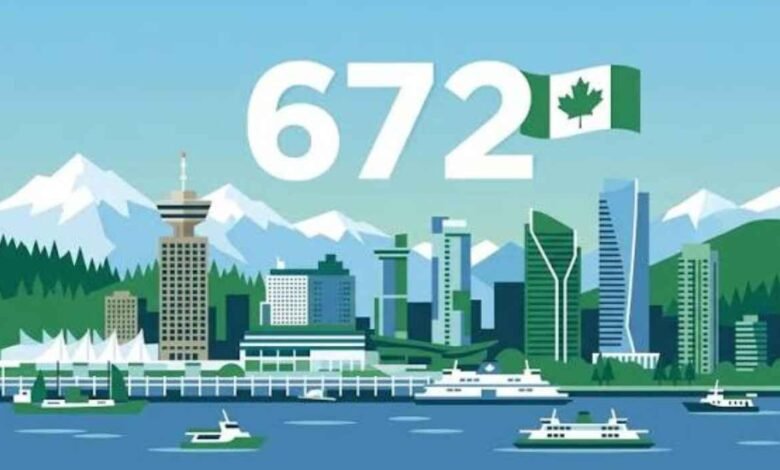
The 672 area code is a telephone numbering code assigned to British Columbia, Canada. It serves as an overlay area code, meaning it covers the same geographic region as several existing codes rather than replacing them. It was introduced to provide additional telephone numbers as demand for mobile phones, businesses, and communication services continued to grow. Understanding its location, time zone, coverage, and dialing requirements can help people identify incoming calls and communicate confidently with residents and businesses in the region.
| Quick Information | Details |
|---|---|
| Area code | 672 |
| Country | Canada |
| Province | British Columbia |
| Type | Geographic telephone area code |
| Introduced | May 4, 2019 |
| Time zones | Pacific and Mountain |
| Main coverage | Province-wide |
| Other area codes | 236, 250, 257, 604, 778 |
| Dialing format | 10 digits |
| Emergency number | 911 |
| Numbering system | North American Numbering Plan |
2. Where Is This Telephone Code Located?
This telephone prefix belongs to British Columbia, one of Canada’s westernmost provinces. The region includes major metropolitan communities, coastal towns, mountain communities, and rural settlements. People receiving calls from this prefix are generally connected to a number assigned within the province. However, the number alone cannot establish the caller’s exact physical location because mobile phones and internet-based telephone services can be used from different places.
3. Is 672 a Canadian Area Code?

Yes, this is a Canadian telephone code operating under the North American Numbering Plan. Canada shares this numbering system with the United States and several other countries. Its three-digit codes help telephone networks identify numbering regions and route calls correctly. The 672 designation was introduced specifically to support the growing need for telephone numbers in British Columbia.
4. When Was It Introduced?
The code officially entered service on May 4, 2019. Telecommunications providers introduced it gradually across the province to ensure that new customers could continue receiving telephone numbers. Existing customers did not need to change their numbers. The introduction followed regulatory planning and approval intended to prevent the exhaustion of available telephone number combinations in the region.
5. Why Was a New Code Necessary?
British Columbia experienced increasing demand for telephone numbers because of population growth, smartphones, internet-based communication, and expanding business services. Every telephone provider needs available number combinations for new customers and devices. Existing numbering resources were becoming limited, making another code necessary. Introducing an overlay provided additional capacity without requiring residents to replace their established telephone numbers.
6. What Does an Overlay Area Code Mean?
An overlay means multiple telephone prefixes serve the same geographic region. Instead of dividing a province into separate territories, an additional code is introduced across an existing service area. This approach allows customers in the same community to have different area codes. It also helps telecommunications companies distribute new numbers without changing the established geographic boundaries of existing numbers.
7. Which Other Codes Share the Region?
British Columbia has several telephone codes, including 236, 250, 604, 778, and 672 Area Code. The newer 257 code was also introduced on May 24, 2025, to provide further numbering capacity. These prefixes operate within an overlapping provincial numbering arrangement. Consequently, two neighbors or businesses in the same city may have completely different telephone prefixes.
8. Does It Cover Vancouver?
Yes, Vancouver is among the communities covered by this provincial numbering arrangement. The city is a major economic and cultural center with substantial demand for mobile, residential, and business telephone services. A number beginning with this prefix may be assigned to a Vancouver exchange. Nevertheless, the prefix does not prove that the person calling is currently located in Vancouver.
9. Is Victoria Included?
Victoria, the capital of British Columbia, is also within the geographic coverage. Its government offices, educational institutions, healthcare facilities, tourism businesses, and residential neighborhoods contribute to regional communication needs. Telephone numbers can be assigned through different providers and numbering blocks. Therefore, the first three digits provide regional information but do not identify a specific street, neighborhood, or individual.
10. Other Cities and Communities
The provincial coverage extends beyond Vancouver and Victoria. Communities such as Kelowna, Prince George, Kamloops, Nanaimo, Surrey, Richmond, and other locations fall within the broader numbering region. Rural settlements and island communities are also included. The exact number assignment depends on available numbering blocks and telecommunications providers rather than simply the size or popularity of a particular town.
11. What Time Zone Does It Follow?
Most of British Columbia follows Pacific Time. This means the region generally observes Pacific Standard Time during winter and Pacific Daylight Time during the daylight-saving period. However, some northeastern communities follow Mountain Time. Since the telephone prefix covers a large province, callers should check the recipient’s actual city before assuming the correct local time.
12. Is It Pacific Standard Time?
Pacific Standard Time is UTC minus eight hours and is observed during the winter period in most of the province. During the warmer months, many communities move to Pacific Daylight Time, which is UTC minus seven hours. This seasonal adjustment affects business schedules, appointments, and communication with people living in different time zones.
13. How to Dial a Number From This Region
Calling a number in British Columbia generally requires the complete ten-digit telephone number. This includes the three-digit area code followed by the seven-digit local number. If calling from another country, callers usually enter Canada’s country code, +1, followed by the ten-digit number. Saving the complete international format in a phone contact can make future calls easier.
14. Is Ten-Digit Dialing Required?
Yes, ten-digit dialing is standard for local calls in the province. Callers should enter the area code and the seven-digit subscriber number, even when contacting someone in the same community. This requirement supports the overlay numbering arrangement because different prefixes can serve identical geographic locations. Mobile phones generally handle the complete format automatically when contacts are saved correctly.
15. Can Existing Phone Numbers Change?
The introduction of an additional prefix did not automatically change existing customer numbers. People who already had telephone numbers under earlier codes were allowed to keep them. New customers could receive numbers from the additional numbering pool as existing resources became limited. This arrangement reduced disruption for households, businesses, organizations, and public institutions.
16. Is It Used for Mobile Phones?
Yes, mobile telephone numbers can use this prefix. Cellular providers receive numbering resources and assign available numbers to customers according to their allocations. A mobile customer may keep the number when switching compatible devices or moving within the permitted service arrangements. However, the displayed prefix alone does not reveal whether a caller is using a smartphone, traditional handset, or internet-based service.
17. Can Businesses Use This Prefix?
Businesses throughout British Columbia can receive telephone numbers from the available numbering pool. Companies may use them for customer support, sales departments, appointment scheduling, office communications, and other services. A local-looking telephone number can help a company communicate with regional customers. However, businesses should provide accurate contact information and avoid suggesting that a number guarantees a physical office in a particular city.
18. Is It a Landline or Mobile Prefix?
The prefix itself does not identify the type of telephone connection. It may be associated with a mobile number, landline service, or certain internet-based communication systems. Telephone number portability and modern telecommunications technology make simple assumptions unreliable. To determine a number’s current service provider or connection type, users may need to consult a legitimate telephone lookup service.
19. Why Are People Receiving Calls From It?
People may receive calls from this region for many ordinary reasons. A friend, family member, business, delivery company, healthcare office, or service provider might be contacting them. Automated notifications and appointment reminders may also originate from Canadian telephone numbers. If the recipient does not recognize the caller, checking voicemail and verifying the organization independently are sensible first steps.
20. Are Calls From It Safe?
A call displaying this prefix is not automatically safe or dangerous. Legitimate organizations and ordinary residents use numbers from the region, but scammers can also display misleading caller identification. Caller ID spoofing allows dishonest callers to imitate telephone numbers that do not belong to them. Never share passwords, banking information, verification codes, or sensitive personal details with an unverified caller.
21. How to Identify an Unknown Caller
Start by checking whether the caller left a voicemail explaining the reason for contacting you. Search the complete telephone number using a reputable lookup service, and compare any claimed business details with its official website. If someone claims to represent a bank or government agency, contact that organization using an independently verified number rather than calling back an unconfirmed number.
22. What Is Caller ID Spoofing?
Caller ID spoofing occurs when a caller deliberately changes the telephone information displayed on a recipient’s device. This can make a call appear to come from a familiar business, local resident, or regional telephone number. Unfortunately, the displayed digits are not always reliable evidence of the caller’s identity. Verification is particularly important when a caller requests money or confidential information.
23. Should You Return a Missed Call?
Returning a missed call is a personal decision, and there is no need to respond immediately to an unfamiliar number. First, check for a voicemail or message that explains the purpose of the call. If the caller claims to represent a known company, find its official contact information independently. Avoid following suspicious links or sharing information during unexpected conversations.
24. How Does It Affect International Calling?
International callers can reach British Columbia by using Canada’s country code, +1, followed by the complete ten-digit telephone number. For example, someone calling from Pakistan would normally use the international dialing prefix available through their carrier, followed by 1 and the Canadian number. International rates vary by provider, calling plan, and destination, so checking charges beforehand is recommended.
25. Does It Have Different Calling Charges?
The additional prefix does not automatically create a separate pricing category. Charges depend on the customer’s telephone plan, provider, calling destination, and whether the call is local, long-distance, or international. People should check their service agreements before making lengthy calls. Businesses should also review their telephone systems to ensure that local dialing rules are correctly configured.
26. Is It Connected to a Specific Telephone Company?
No single telephone company exclusively owns the entire regional code. Different telecommunications providers can receive number blocks and assign them to eligible customers. These providers may include wireless operators, landline companies, and other authorized communications services. The Canadian numbering administration system coordinates numbering resources to support an organized and reliable telephone network.
27. How Does Number Assignment Work?
Telephone numbering resources are distributed through an organized administrative process. Providers receive blocks of numbers and make them available to customers according to applicable rules and demand. When an existing block becomes limited, additional resources may be introduced. This process helps maintain the availability of telephone numbers while allowing multiple companies to operate within the same geographic region.
28. What Is the Role of the CRTC?
The Canadian Radio-television and Telecommunications Commission, commonly called the CRTC, regulates important aspects of Canada’s communications system. It makes decisions about telephone numbering relief and works with industry participants to address numbering shortages. Its decisions help determine when additional codes should be introduced and how they should operate alongside existing regional prefixes.
29. What Is the North American Numbering Plan?
The North American Numbering Plan is a shared telephone numbering framework used by Canada, the United States, and several other participating countries and territories. It organizes telephone numbers into country codes, area codes, and local subscriber numbers. This structure helps telecommunications networks identify destinations and route calls efficiently across different regions and service providers.
30. Does It Affect Emergency Services?
The introduction of another regional prefix does not change the emergency telephone number. Residents and visitors in British Columbia can continue using 911 for emergency assistance. Other short service numbers may also remain available according to their designated purposes. People should always use official emergency services when facing an immediate threat to life, safety, or property.
31. How Does It Affect New Residents?
New residents moving to British Columbia may receive telephone numbers from several available provincial codes. Their assigned prefix depends on the provider, location, and available number inventory. They do not necessarily need to choose a particular code when opening an account. People relocating from another province or country should confirm their new provider’s activation and dialing requirements.
32. Can You Keep Your Number When Switching Providers?
Number portability may allow eligible customers to retain their existing telephone number when changing service providers. The process depends on the provider, account status, and applicable telecommunications rules. Customers should not cancel their existing service before confirming the transfer process. Keeping the same number can make it easier to maintain personal contacts, business listings, and online account recovery information.
33. How Does It Support Population Growth?
Growing communities need reliable communication services for homes, schools, hospitals, businesses, transportation, and public administration. Additional telephone numbering resources help providers accommodate new subscribers and connected devices. The overlay approach allows numbering capacity to expand without dividing existing communities into unfamiliar calling regions. It is one part of the broader infrastructure needed to support modern communication.
34. Is It Important for Online Businesses?
Online businesses may use Canadian telephone numbers to support customer service, verification, and regional communication. A telephone presence can help customers contact a company and ask questions about products or services. However, an area code should never be treated as proof that a business is legitimate. Customers should also review company registration details, official websites, policies, and independent reviews.
35. Common Misunderstandings
One common misunderstanding is that every call displaying a British Columbia prefix must originate physically from the province. That is not necessarily true because callers can travel, use internet-based services, or spoof caller identification. Another misconception is that every number has the same provider or calling rate. In reality, number allocation, service type, and pricing can vary considerably.
36. Tips for Protecting Your Privacy
Avoid publishing your personal telephone number unnecessarily on public websites and social media accounts. Use strong account security and enable additional verification methods where available. When receiving unexpected calls, never disclose confidential information simply because the displayed number looks familiar. Report suspicious activity to the appropriate service provider or relevant Canadian authorities when necessary.
37. The Future of Telephone Numbering in British Columbia
The demand for communication services will continue to evolve as communities grow and technology changes. Mobile devices, connected equipment, business applications, and internet-based calling all contribute to the need for numbering resources. Additional overlays provide a practical way to increase capacity. Future numbering decisions will depend on usage forecasts, regulatory planning, and the availability of existing number blocks.
38. Final Facts About the Region
The most important fact is that this prefix belongs to British Columbia, Canada, and operates as part of a province-wide overlay system. It was introduced in 2019 to increase telephone number availability. Residents and businesses can use it for different types of telephone services, while callers should follow ten-digit dialing rules and verify unknown callers before sharing private information.
39. How to Check Whether a Number Is Genuine
A genuine telephone number should be checked through reliable sources rather than judged by its displayed prefix. Search the complete number, review any available business information, and compare the details with official company records. If a caller requests urgent payment or threatens legal action, remain cautious. Genuine organizations generally provide ways to verify their identity through established customer service channels.
40. Difference Between an Area Code and a Country Code
A country code identifies the country or numbering territory, while an area code identifies a particular telephone numbering region within that system. Canada’s country code is +1, whereas provincial prefixes identify regional numbering areas. Understanding this difference makes international dialing easier and helps people save telephone contacts in the correct format for future communication.
41. Can You Choose Your Preferred Prefix?
Some telephone providers may offer customers a choice of available numbers, although options depend on their inventory and policies. A customer might request a memorable sequence or ask whether a particular regional prefix is available. However, there is no guarantee that a preferred number can be assigned. Availability also changes as providers distribute numbers to new subscribers.
42. Why Does the Same City Have Multiple Prefixes?
An overlay numbering system allows different codes to operate within the same geographic boundaries. As a result, people living on the same street may have different telephone prefixes. This is normal and does not indicate that they belong to separate provinces or calling regions. It simply reflects the way modern telecommunications networks distribute available telephone numbers.
43. Important Information for Travelers
Travelers visiting British Columbia should understand that their existing international or domestic telephone plans may have different roaming charges. Saving Canadian contacts with the +1 country code can simplify dialing. Visitors should also check their mobile provider’s roaming arrangements before arriving. Wi-Fi calling and local SIM options may provide additional communication choices depending on device compatibility and provider availability.
44. How to Save a Canadian Contact Correctly
When saving a contact for international use, enter +1 followed by the complete ten-digit Canadian telephone number. This format is convenient for people who travel between countries or regularly communicate with Canadian residents. Include the person’s name and, when appropriate, a business description. Saving the complete number reduces dialing mistakes and makes contact management easier across devices.
45. Why This Prefix Matters to Communication Services
Regional numbering codes are essential to the organization of telephone networks. They help providers allocate available numbers, connect customers, and manage growing communication requirements. For British Columbia, additional numbering resources support residential users, commercial organizations, public institutions, and mobile subscribers. Although customers may rarely think about numbering administration, it plays an important role in everyday communication.
46. Final Thoughts
Understanding the 672 area code makes it easier to recognize Canadian telephone numbers and understand their regional connection. It serves British Columbia alongside several other prefixes and provides additional numbering capacity for the province. Whether you receive an unfamiliar call, move to the region, or contact a Canadian business, remember to use the complete dialing format and verify unknown callers. For additional background about the province, visit Wikipedia: British Columbia.
Frequently Asked Questions
1. Where is the 672 area code located?
– It is located in British Columbia, Canada, and covers communities throughout the province.
2. When was the 672 area code introduced?
– It was introduced on May 4, 2019, to provide additional telephone numbers.
3. What time zone does this code use?
– Most covered communities use Pacific Time, although some northeastern areas follow Mountain Time.
4. Is a call from this code a scam?
– Not necessarily. Legitimate residents and businesses use it, but scammers can also spoof caller ID.
5. How do I call a number from this region internationally?
– Dial +1 followed by the complete ten-digit Canadian telephone number.