
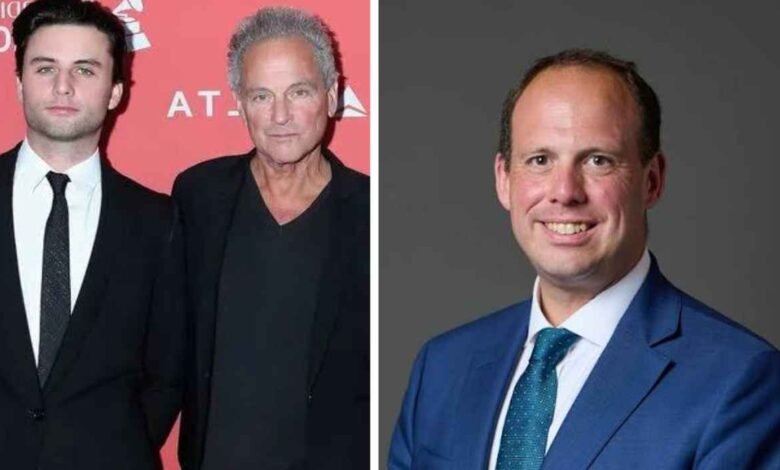
Gregory Buckingham, widely known as Greg Buckingham, was an accomplished American competitive swimmer who made his mark in international sports during the 1960s. He earned an Olympic silver medal at the 1968 Mexico City Olympics and established himself as one of the leading individual medley swimmers of his generation. His remarkable career reflected dedication, athletic ability, and years of disciplined training. Although his life ended in 1990, his sporting achievements remain part of American swimming history. His story also attracts interest because he was the older brother of famous musician Lindsey Buckingham, known for his work with Fleetwood Mac.
| Quick Biography | Details |
|---|---|
| Full name | Gregory Fenton Buckingham |
| Common name | Greg Buckingham |
| Date of birth | July 29, 1945 |
| Birthplace | Riverside, California, United States |
| Nationality | American |
| Profession | Competitive swimmer |
| Main specialty | Individual medley |
| Olympic achievement | Silver medal, 1968 |
| College affiliations | College of San Mateo and Stanford University |
| Swimming clubs | Santa Clara Swim Club |
| Coaches | George Haines and Jim Gaughran |
| Brother | Lindsey Buckingham |
| Date of death | November 11, 1990 |
| Age at death | 45 years |
| Known for | Olympic success and swimming world records |
Early Life and Childhood
Gregory Buckingham was born on July 29, 1945, in Riverside, California. His early childhood took place in California, where his family eventually settled in the Palo Alto and Atherton areas. Growing up in a family that valued achievement, he developed interests and abilities that helped shape his future. Swimming became an important part of his youth, giving him opportunities to develop physical strength, coordination, and competitive discipline. His early experiences in the pool laid the foundation for a career that would eventually take him to the Olympic Games.
Family Background and Parents
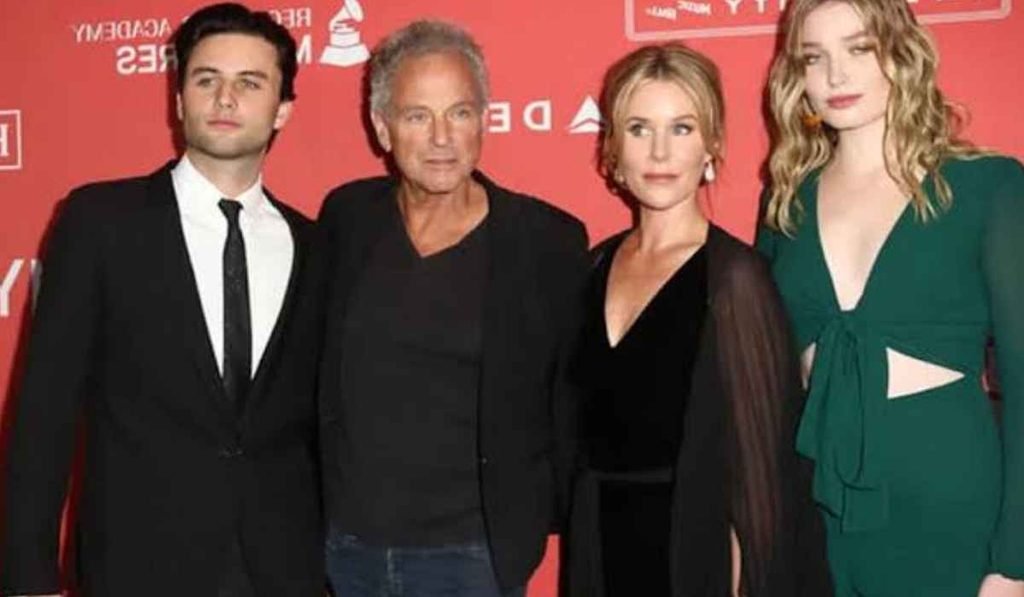
Gregory was the son of Morris H. Buckingham and Rutheda Buckingham. His family supported an environment in which personal achievement and dedication were important. His father had an athletic background, having played football at San Jose State College, before pursuing a business career. Gregory’s upbringing connected him with both athletic and professional influences. Although detailed accounts of every aspect of his family life are limited, the available biographical information establishes his California roots and the family relationships that remained significant throughout his life.
Connection With Lindsey Buckingham
One reason people continue searching for Gregory’s biography is his relationship with Lindsey Buckingham, the celebrated guitarist, singer, and songwriter associated with Fleetwood Mac. Gregory was one of Lindsey’s older brothers. However, Gregory developed his reputation in competitive swimming rather than the music industry. Their different professional paths demonstrate how members of the same family can pursue distinct ambitions. Lindsey became internationally recognized through music, while Gregory earned recognition through athletic accomplishments, including his performance at the 1968 Summer Olympics.
Interest in Swimming During Childhood
Swimming became central to Gregory’s development at a young age. He participated in organized swimming programs and received guidance from experienced mentors. Early instruction helped him improve his technique and understand the importance of consistency. Competitive swimming requires a combination of strength, endurance, timing, and concentration, and these qualities became important throughout his career. His progress during childhood indicated that he possessed the potential to compete at a high level. As he advanced through school, swimming transformed from an interest into a serious athletic pursuit.
Education at Menlo-Atherton High School
Gregory attended Menlo-Atherton High School in Atherton, California. His time there was particularly important because he developed into one of the school’s outstanding swimmers. He competed under coach Bob Gaughran and became a team captain and a highly regarded athlete. His performances attracted attention beyond the school, and he earned recognition for his ability in several swimming events. His achievements during these formative years helped establish his reputation as a promising young competitor and prepared him for increasingly challenging national competitions.
High School Swimming Records
During his high school career, Gregory achieved impressive results in individual and relay events. In 1961, he became the school’s first All-American swimmer, marking a major milestone in its athletic history. The following year, he contributed to a national high school record in the 200-yard freestyle relay and established strong results in backstroke and individual medley events. These accomplishments demonstrated his versatility and ability to perform under competitive pressure. His high school record also helped him gain recognition among coaches who could support his development at the collegiate level.
Recognition as a Young Athlete
Gregory’s achievements earned him recognition as one of the outstanding young athletes in his region. His high school accomplishments included records, leadership responsibilities, and contributions to successful team campaigns. In 1962, he was named Sequoia District Athlete of the Year by the Redwood City Tribune. Such recognition reflected the importance of his performances during a period when he was still developing his skills. His success illustrates how consistent training and strong competitive results can open doors to greater opportunities in organized sports.
Experience in Water Polo
Swimming was not Gregory’s only aquatic sport during his school years. He also played water polo for Menlo-Atherton High School. This sport demands stamina, coordination, quick decision-making, and the ability to perform under physical pressure. Participating in water polo complemented his swimming development by challenging him to use his athletic abilities in a team setting. He helped his school achieve the Northern California Prep Championship in the fall of 1961. This experience added another dimension to his sporting background and highlighted his broad athletic ability.
Beginning His College Swimming Career
After graduating from high school in 1963, Gregory continued pursuing higher education while developing his swimming career. He briefly attended San Jose State University before moving toward other opportunities in competitive swimming. His progress depended on finding the right training environment, coaches, and competitive experiences. College swimming provided a pathway for talented athletes to improve their performances and compete against strong opponents. Gregory’s eventual association with the College of San Mateo and Stanford University became especially important in his development as a nationally recognized swimmer.
Santa Clara Swim Club and George Haines
A significant turning point came in December 1964, when Gregory began training with the Santa Clara Swim Club under respected coach George Haines. The club provided an environment in which ambitious swimmers could train intensively and prepare for major competitions. Haines was known for coaching elite athletes, and his guidance helped Gregory continue improving his performance. Training with an experienced coach offered opportunities to refine technique, build endurance, and strengthen race strategy. This period contributed to the progress that would later make Gregory a contender at the national and international levels.
Achievements at the College of San Mateo
Gregory Buckingham also competed for the College of San Mateo under coach Rich Donner. His performances during this period helped reinforce his reputation as a highly capable individual medley swimmer. The college environment offered competitive opportunities and additional coaching support while he pursued his academic studies. His achievements later received institutional recognition when he was inducted into the San Mateo Athletic Hall of Fame in 2012. This posthumous honor acknowledged his contribution to the college’s athletic history and preserved his achievements for future generations of students and sports fans.
Stanford University Swimming Career
Gregory later transferred to Stanford University, where he trained under coach Jim Gaughran. Stanford offered a competitive collegiate swimming program that allowed him to continue challenging himself against elite athletes. His university career included major team and individual accomplishments, including involvement in Stanford’s successful 1967 NCAA championship season. College competition helped prepare him for the demands of international swimming and gave him further opportunities to develop his racing strategy. His Stanford years form an important part of the story behind his rise to Olympic-level performance.
World Records in Individual Medley
Gregory became particularly well known for his achievements in individual medley swimming. This event combines butterfly, backstroke, breaststroke, and freestyle, requiring competitors to demonstrate competence across all four strokes. In 1966 and 1967, he established world and American records in the 200-meter and 400-meter individual medley events. He also broke the 400-meter individual medley world record twice at the Santa Clara Invitational in 1967. These performances placed him among the leading swimmers of his era and demonstrated the value of versatility, stamina, and technical precision.
Understanding the Individual Medley
The individual medley is one of swimming’s most demanding competitive formats because it requires mastery of four distinct strokes. Athletes must transition smoothly between strokes while maintaining speed and conserving energy. A swimmer who excels in this event needs balanced technical ability rather than relying on a single strength. Gregory’s success in the individual medley showed that he could compete across different swimming techniques. His achievements in the event also help explain why coaches regarded him as a particularly versatile athlete during his competitive years.
Preparation for the 1968 Olympics
The 1968 Summer Olympics in Mexico City represented the most prominent stage of Gregory’s career. Preparing for an Olympic competition requires years of training, careful race planning, and the ability to perform under pressure. His earlier world records and national performances established him as a serious contender. The Olympic Games brought together leading athletes from across the world, making every race an opportunity to test the results of years of preparation. Gregory entered the competition with considerable experience in individual medley swimming and the ambition to compete against the strongest international field.
Olympic Silver Medal in Mexico City
Gregory’s defining international achievement came at the 1968 Summer Olympics, where he won a silver medal in the men’s 200-meter individual medley. He finished with a time of 2 minutes and 13.0 seconds, behind American teammate Charlie Hickcox, who won gold in 2:12.0. John Ferris claimed bronze in 2:13.3, completing an American sweep of the medals. This result secured Gregory’s place among Olympic medalists and represented the culmination of years of training, perseverance, and competitive experience.
The 400-Meter Individual Medley at the Olympics
Gregory also competed in the men’s 400-meter individual medley at the Mexico City Olympics. Although he did not win a medal in this event, he reached the final and finished fourth according to the official result. His recorded time was 4:51.4, matching the time recorded by bronze medalist Gary Hall, while the official placing separated the competitors. This result illustrates the extremely narrow margins that can distinguish medal winners from other finalists at elite competitions. His performance in both individual medley events demonstrated his continued competitiveness at the highest level.
Coaching and Athletic Development
Coaching played a central role in Gregory’s development. George Haines at Santa Clara and Jim Gaughran at Stanford were important figures in his swimming career. Experienced coaches help athletes improve stroke mechanics, manage training loads, develop race strategies, and prepare mentally for competition. Gregory’s progress across high school, club, college, and international swimming illustrates how different training environments can contribute to athletic growth. His achievements also reflect the value of combining individual dedication with knowledgeable coaching and consistent exposure to challenging competitions.
Personal Life and Family Relationships
Although Gregory achieved national and international recognition as a swimmer, he maintained a personal life beyond competitive sports. Public biographical accounts identify his wife as Daryl and note that he was survived by a son and a daughter. Detailed information about his private family life is limited in widely available sources, so claims about his personal relationships should remain grounded in documented information. His family connections, including his relationship with Lindsey Buckingham, continue to interest readers exploring his biography, but his own athletic accomplishments remain a distinct part of his identity.
Relationship With the Music World
Gregory was connected to the music world through his younger brother Lindsey, whose work with Fleetwood Mac became internationally influential. Lindsey Buckingham contributed to the band’s sound through guitar playing, songwriting, and vocals. Gregory, however, followed a different professional direction, concentrating on competitive swimming. The contrast between the brothers’ careers makes their family story interesting to readers who follow both sports and music. Gregory’s achievements deserve attention on their own terms, rather than being understood only through his relationship with a famous musician.
Life Beyond Competitive Swimming
Like many elite athletes, Gregory’s public legacy is most closely associated with his competitive years. His achievements in school, college, and international swimming created a lasting record of athletic success. The available public information does not provide a complete account of every professional activity he may have pursued outside swimming. It is therefore more accurate to focus on his documented accomplishments than to speculate about unverified business ventures, income, or later career plans. His sporting record remains the clearest foundation for understanding his place in American swimming history.
Death in 1990
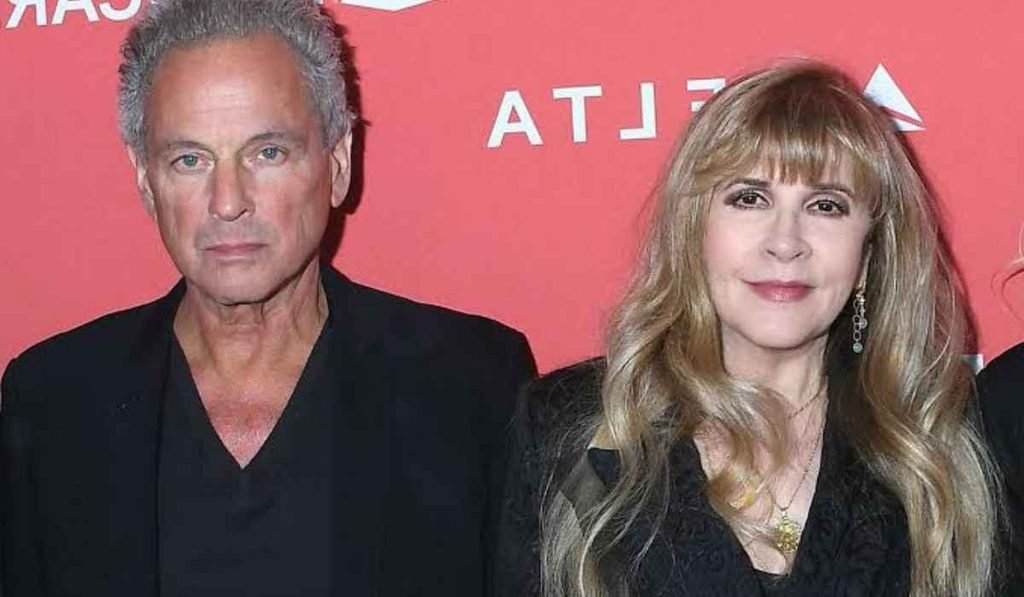
Gregory Buckingham died on November 11, 1990, in San Carlos, California, at the age of 45. Biographical accounts report that he died following a heart attack. His death brought an early end to the life of an athlete who had reached the Olympic podium and held world records during his competitive career. Although he died decades ago, his achievements remain documented through historical sports records and biographical references. His story continues to be remembered by people interested in Olympic history, Stanford athletics, and the development of American competitive swimming.
Legacy in American Swimming
Gregory’s legacy rests on his Olympic silver medal, world-record performances, and achievements at the school and collegiate levels. His career demonstrates how a talented swimmer can progress through several stages of competition and reach the international stage through dedication and training. His results remain relevant to historical discussions of individual medley swimming in the 1960s. Recognition by the San Mateo Athletic Hall of Fame further reflects the lasting importance of his accomplishments. His career is a reminder that Olympic success represents years of effort, often extending far beyond the few minutes spent racing.
Recognition at the San Mateo Athletic Hall of Fame
Gregory’s induction into the San Mateo Athletic Hall of Fame in 2012 provided a formal acknowledgment of his achievements. The recognition came more than two decades after his death and helped preserve his contributions for a new generation of sports followers. Athletic halls of fame honor competitors whose performances have made a meaningful impact on their institutions or communities. In Gregory’s case, his swimming achievements and association with the College of San Mateo formed an important part of that legacy. Such recognition ensures that his name remains connected to the history of collegiate athletics.
Why His Story Still Attracts Interest
Interest in Gregory’s life comes from several sources, including his Olympic success, world records, and family relationship with Lindsey Buckingham. People searching his name may be interested in swimming history, the 1968 Olympics, Stanford athletics, or the background of the Buckingham family. A complete biography brings these elements together while keeping the focus on verified details. His story offers a useful example of athletic excellence from an earlier era and shows how historic sporting achievements can remain meaningful long after an athlete’s competitive career has ended.
Lessons From His Athletic Journey
Gregory’s career offers several lessons about preparation and achievement. His progress from school competitions to world records and an Olympic medal illustrates the importance of persistence, effective coaching, and repeated practice. Individual medley swimming also demonstrates the value of developing balanced skills rather than depending on one particular strength. His achievements can inspire young athletes to establish clear goals, learn from experienced mentors, and approach training with patience. Although each athlete’s circumstances are different, his documented career provides a historical example of how consistent effort can produce exceptional results.
Separating Facts From Online Speculation
When researching Gregory, readers may encounter websites that mix confirmed biographical details with unsupported personal claims. Reliable information includes his birth and death dates, Olympic silver medal, swimming records, college affiliations, and relationship with Lindsey Buckingham. By contrast, claims about an exact net worth, undisclosed business interests, or detailed private circumstances require credible evidence before they can be treated as facts. Responsible biography writing separates verifiable records from speculation. This approach helps readers gain an accurate understanding of his life without confusing popular curiosity with documented history.
Conclusion: Remembering an Olympic Medalist
Gregory Fenton Buckingham built an impressive sporting career through years of training, coaching, and competition. His silver medal in the men’s 200-meter individual medley at the 1968 Mexico City Olympics remains his best-known achievement, while his world records and collegiate performances demonstrate the breadth of his abilities. His connection to Lindsey Buckingham adds another dimension to public interest in his life, but Gregory’s own accomplishments stand independently. For readers exploring Olympic history, American swimming, and notable athletes of the 1960s, his biography provides a meaningful account of talent, perseverance, and sporting achievement.
For further reading, visit the Greg Buckingham Wikipedia article, which provides additional biographical details, career milestones, Olympic results, and references for researching his life and legacy.