

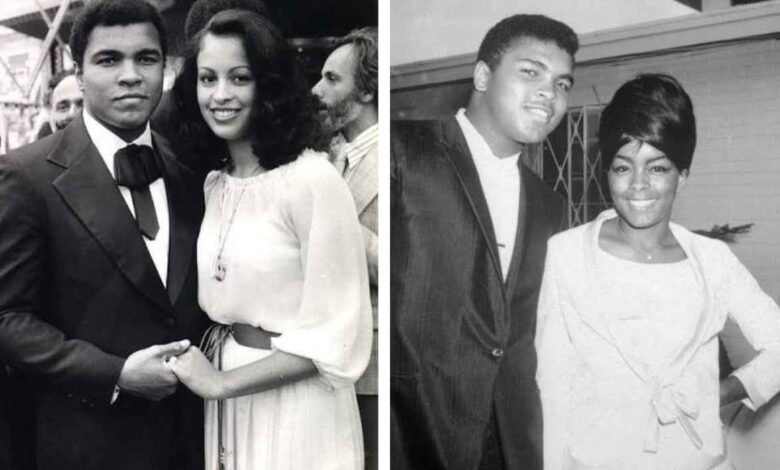
Sonji Roi is remembered in American history as the first wife of legendary heavyweight boxing champion Muhammad Ali. Although their marriage lasted only a short period, her relationship with one of the world’s most recognizable athletes attracted considerable public attention. She became part of an important chapter in Ali’s personal life during the 1960s, when his religious beliefs, boxing career, and public identity were changing rapidly. Beyond her connection to the famous boxer, she had her own experiences, interests, and personal story. Understanding her life provides a different perspective on the personal relationships surrounding one of sports history’s greatest personalities.
Quick Biography of Sonji Roi
| Personal Details | Information |
|---|---|
| Full Name | Sonji Roi Clay-Glover |
| Popular Name | Sonji Roi |
| Nationality | American |
| Profession | Cocktail Waitress and Model |
| Famous For | First wife of Muhammad Ali |
| Former Husband | Muhammad Ali |
| Marriage Year | 1964 |
| Divorce Year | 1966 |
| Date of Death | October 11, 2005 |
| Place of Death | Chicago, Illinois |
| Age at Death | 59 |
| Known Association | American boxing history |
1. Who Was Sonji Roi?
Sonji Roi was an American woman who became widely recognized after marrying Muhammad Ali in August 1964. Before entering the public spotlight, she reportedly worked as a cocktail waitress and occasionally pursued fashion modeling. Her relationship with Ali placed her in the middle of an important period in his personal development. Although she did not have the same public career as her famous husband, her story remains relevant to discussions about his early life, relationships, and changing religious identity. Her marriage was brief, but its historical significance continues to attract readers interested in Ali’s biography.
2. Early Life and Background
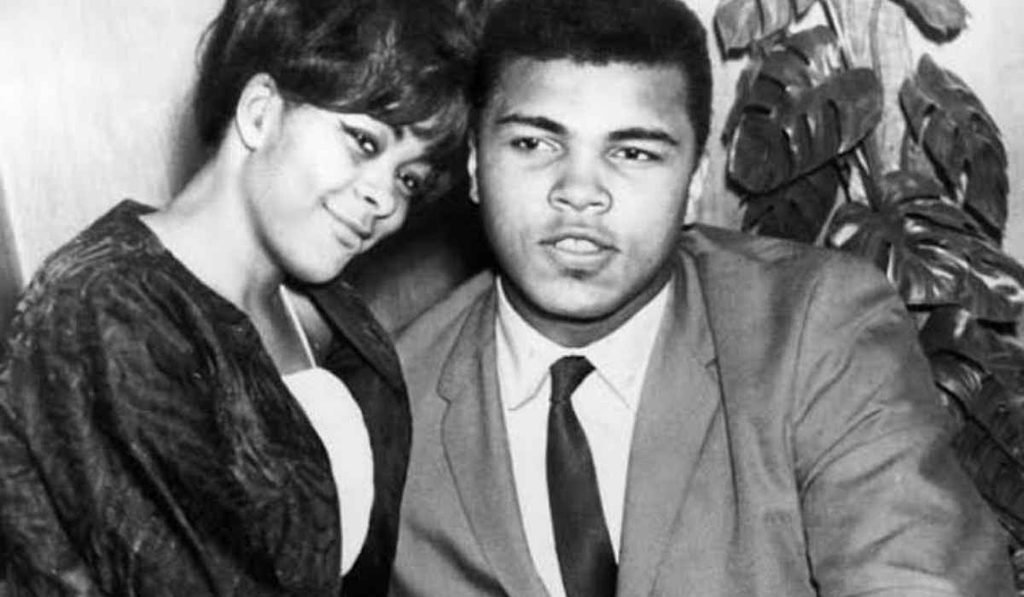
Information about her childhood and early family background is relatively limited. Unlike internationally recognized personalities, she did not have journalists documenting every stage of her life. Consequently, many personal details remain difficult to verify through reliable historical records. What is better documented concerns her professional activities and relationship with Ali during the early 1960s. Her background is important because it reminds readers that she had an independent life before becoming connected to a world-famous athlete. Understanding this distinction helps create a more balanced account of her biography rather than defining her entirely through her former marriage.
3. Her Career Before Meeting Muhammad Ali
Before becoming associated with professional boxing history, she worked as a cocktail waitress in Chicago. Historical accounts also describe her as a part-time fashion model. These occupations introduced her to different social environments and professional opportunities. Modeling also brought her into contact with Herbert Muhammad, who later became an important figure in Ali’s professional management. Her career was not extensively covered by national newspapers, which explains why information about her professional achievements is limited. Nevertheless, her employment history provides useful context about her life before her relationship attracted widespread attention.
4. How Sonji Roi Met Muhammad Ali
Her meeting with Muhammad Ali happened during the summer of 1964 in Chicago. According to the PBS documentary about the boxer, Herbert Muhammad introduced them while Ali was staying at the Roberts Motel. Their first meeting quickly developed into a romantic relationship. Ali reportedly became immediately interested in her personality and appearance. The two spent time together, including going out for ice cream and dinner. Their connection developed remarkably quickly, demonstrating how an unexpected meeting could lead to a significant relationship. Within weeks, their relationship had progressed toward marriage.
5. The Role of Herbert Muhammad
Herbert Muhammad played an important role in bringing the couple together. He was connected to Ali’s professional activities and later became his manager. Before the introduction, Herbert had encountered her through his photography studio in Chicago, where she had modeled. This connection created the circumstances for their first meeting. Herbert’s position within Ali’s professional circle also meant that the relationship developed among people closely connected to the boxer’s career. His involvement is frequently mentioned in historical accounts because the introduction marked the beginning of an important personal chapter in Ali’s life.
6. Muhammad Ali’s Proposal
Their relationship moved unusually quickly, and Ali reportedly proposed shortly after meeting her. His strong attraction was reflected in accounts of their early romantic connection. At that stage, Ali was becoming a major international boxing personality following his victory over Sonny Liston in February 1964. His personal life was also changing as he developed a new religious identity. The proposal represented a major commitment for both individuals. Although their relationship initially appeared exciting, the challenges associated with their different lifestyles and expectations would eventually become important factors in their separation.
7. Wedding and Marriage in 1964
The couple married on August 14, 1964, in Gary, Indiana. At the time, Ali was still widely known as Cassius Clay in some public records, although he had already announced his new Muslim identity. Their wedding attracted historical interest because Ali was becoming one of the most discussed athletes in America. The marriage brought her into a much more public environment than her previous professional life. Their wedding also marked the beginning of a relationship that would become an important part of the boxer’s personal history.
8. Life as Muhammad Ali’s First Wife
Becoming the wife of a heavyweight boxing champion brought considerable attention and new responsibilities. Ali’s career required travel, public appearances, training schedules, and interactions with journalists. His growing fame meant that their private relationship increasingly existed within a public environment. She had to adjust to the attention surrounding her husband while maintaining her own preferences and identity. Although the couple initially appeared affectionate, their different expectations about marriage became increasingly important. Their relationship demonstrates how fame and personal circumstances can influence even relatively new marriages.
9. Religious Differences Between the Couple
Religion became one of the most frequently discussed reasons behind their marital difficulties. Ali had joined the Nation of Islam and increasingly organized his life around its teachings and expectations. Sonji Roi religious beliefs influenced his public identity, personal decisions, and expectations within marriage. She did not fully embrace the religious practices and lifestyle changes expected of her. Their disagreement became a significant source of tension. Historical accounts explain that the differences were not simply about religious labels but also involved everyday decisions, personal independence, clothing, and expectations about married life.
10. The Nation of Islam and Its Influence
The Nation of Islam played an important role in Ali’s life during the 1960s. His association with the organization influenced his public statements, personal identity, and relationships. During this period, he became increasingly committed to religious principles that differed from the lifestyle he had previously followed. His marriage was affected by the expectations connected to this transformation. For someone who did not share the same beliefs, adjusting to these expectations could be difficult. This broader historical context helps explain why religious differences became such a significant issue in their relationship.
11. Differences Over Clothing and Lifestyle
One commonly reported disagreement involved clothing and personal presentation. Ali expected his wife to follow certain standards associated with his religious beliefs. However, she preferred maintaining her existing fashion choices and personal freedom. Accounts of the marriage describe disagreements about wearing lipstick, fashionable clothing, and visiting bars. These issues became symbols of a deeper disagreement about independence and religious expectations. Their experiences demonstrate how differences in values can influence relationships. The disagreement was particularly difficult because both individuals had different ideas about what marriage should require from each partner.
12. Public Attention During Their Marriage
Being married to Muhammad Ali naturally attracted media interest. Newspapers and sports publications were following the champion’s boxing achievements, public statements, and personal decisions. His marriage therefore became another subject of public curiosity. However, the attention was not equally distributed between the two individuals. Ali remained the central personality because of his international sporting achievements. She was primarily discussed through her connection to him. This imbalance in public attention helps explain why historical information about her independent experiences is considerably less extensive than information about her famous former husband.
13. Challenges Behind Their Relationship
Their marriage faced several challenges beyond the differences in clothing and religious practices. Ali’s growing fame brought a demanding professional schedule and considerable public pressure. At the same time, his changing beliefs influenced his expectations at home. Maintaining a relationship under these circumstances required compromises from both individuals. Their different perspectives eventually made those compromises increasingly difficult. Although outside observers sometimes presented their relationship as a simple disagreement, the situation involved several personal and social factors. These circumstances contributed to the breakdown of their marriage.
14. Did Sonji Roi and Muhammad Ali Have Children?
There is no reliable evidence that the couple had children together. Their marriage lasted from August 1964 until January 1966 and is generally described as childless. Ali later became the father of nine children through different relationships and marriages. His children included Laila Ali, who eventually developed her own successful professional boxing career. However, none of his publicly documented children were born from his marriage to her. This distinction is important because online biographies sometimes combine details about Ali’s different marriages when presenting his family history.
15. The Divorce in January 1966
The relationship eventually ended in divorce in January 1966. Historical accounts commonly identify January 10, 1966, as the date their marriage was formally dissolved. The separation followed continuing disagreements about religious expectations and lifestyle choices. Their divorce became an important event in Ali’s personal history because it marked the end of his first marriage. Although their relationship had begun with considerable enthusiasm, the differences between their expectations proved difficult to resolve. Their separation also opened a new chapter in both individuals’ lives.
16. What Led to Their Separation?
The separation resulted primarily from disagreements involving religion, personal freedom, and expectations within marriage. Ali wanted a partner who would support the religious lifestyle he had adopted. She was unwilling to completely change her identity and personal habits to meet those expectations. These differences created continuing tension. Their relationship illustrates the challenges that can develop when partners have fundamentally different expectations about faith and independence. Rather than viewing the divorce as the result of one disagreement, it is more accurate to understand it as the outcome of several connected personal differences.
17. Life After the Divorce
After separating from Ali, she largely moved away from the international attention associated with his boxing career. Unlike the former heavyweight champion, she did not maintain a similarly visible public profile. Consequently, detailed information about her later professional activities and personal experiences is relatively scarce. Her story became less prominent in mainstream sports coverage, although she continued to appear in historical discussions about Ali’s first marriage. This period of her life deserves careful treatment because limited public documentation should not be replaced with unsupported claims or invented details.
18. Her Personal Identity Beyond Marriage
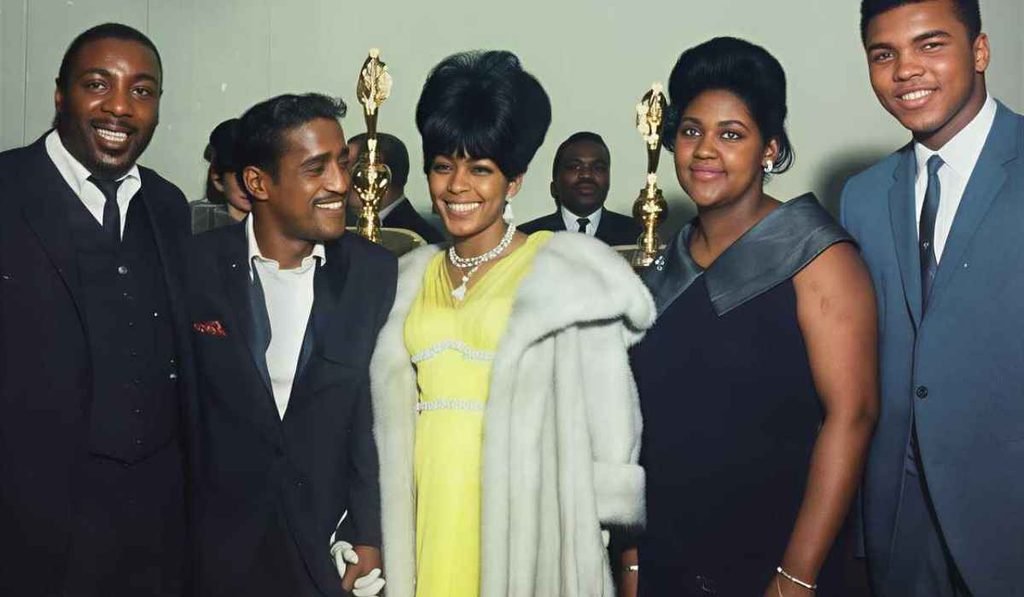
It is important to recognize that she was an individual with her own experiences rather than simply a historical footnote in a famous athlete’s biography. Her work as a cocktail waitress and model existed before her marriage became a public subject. Her personal preferences and decisions also influenced the direction of the relationship. Although most available historical material focuses on her connection to Ali, her story offers an opportunity to examine the experiences of people who become publicly known through their relationships with celebrities. Her identity deserves consideration beyond that single chapter.
19. Muhammad Ali’s Life Following the Divorce
Following the separation, Ali continued developing his boxing career and personal life. In August 1967, he married Belinda Boyd, who later became known as Khalilah Ali. Their marriage lasted until 1977 and produced four children. Ali subsequently married Veronica Porché in 1977 and later Yolanda Williams in 1986. His relationships became part of his extensive public biography. Comparing these marriages helps readers understand how his personal life continued to evolve after his first marriage ended.
20. Her Appearance in the Film Ali
The story of Ali’s first marriage also reached a wider entertainment audience through the 2001 biographical film Ali. The movie starred Will Smith as Muhammad Ali and included Jada Pinkett Smith portraying Sonji Roi. The film explored important events in the boxer’s personal and professional life, including his religious transformation and relationships. Although biographical films often simplify historical events for storytelling purposes, the portrayal introduced her name to viewers who might not have known about Ali’s first marriage. It remains an important example of her continued presence in popular culture.
21. Sonji Roi’s Death in 2005
According to the Los Angeles Times, she died at her home in Chicago on October 11, 2005, at the age of 59. The newspaper reported that her death was from natural causes. Her passing received attention because of her historical connection to Muhammad Ali. The obituary identified her as the first wife of the famous boxer and recalled their marriage in 1964 and subsequent divorce. Although she had lived much of her later life outside the spotlight, her death brought renewed attention to her place in boxing history.
22. Why Her Biography Remains Interesting
Her biography continues to attract interest because it provides insight into an important period in Muhammad Ali’s personal development. Their marriage took place when Ali was transforming his public identity and becoming increasingly influential beyond professional boxing. Their disagreements reflected the challenges that can emerge when personal beliefs and lifestyle expectations differ. Readers interested in sports history often explore the relationships behind famous athletes because these experiences reveal another dimension of their lives. Her story therefore remains relevant to understanding the human experiences surrounding Ali’s remarkable public career.
23. Historical Importance of Her Relationship With Ali
Although their marriage lasted less than two years, it remains a documented part of American sports history. It took place during a period of significant cultural, religious, and political change. Ali was becoming an internationally recognized athlete while also challenging established expectations through his beliefs and public statements. His relationship with his first wife reflected some of the personal difficulties connected with that transformation. Studying this chapter helps readers understand that famous personalities also experience complicated relationships, personal disagreements, and difficult decisions away from the sporting arena.
24. Facts and Myths About Her Life
Several online biographies contain personal details that are not consistently supported by strong historical sources. Her exact birth information, family background, and later activities should therefore be treated carefully. More dependable reporting confirms her marriage to Ali, the date of their wedding, their divorce, and her death in Chicago. PBS also provides useful historical information about how the couple met. Readers should distinguish between established reporting and entertainment websites that repeat unverified claims. This approach creates a more accurate understanding of her life and avoids spreading misleading biographical information.
25. Her Connection to American Boxing History
American boxing history includes many stories about champions, trainers, managers, and family members. Her connection to Ali places her within this wider historical narrative. Although she was not a professional boxer, her marriage occurred during one of the most significant periods of his career. The early 1960s transformed Ali from a promising heavyweight champion into a globally recognized personality. His personal relationships were influenced by this transformation. Her story therefore provides additional context for understanding the circumstances surrounding his early championship years.
26. What Makes Her Story Different?
Her story differs from those of many celebrity spouses because relatively little independent information about her life survives in widely accessible historical reporting. Most available accounts concentrate on the marriage and its eventual breakdown. This limited documentation creates challenges for researchers and readers. However, it also makes careful historical writing especially important. Rather than presenting speculation as established truth, a responsible biography should focus on documented events and clearly identify uncertain details. Her story remains meaningful because it reveals a lesser-known perspective on a famous historical personality.
27. The Importance of Remembering Her Individual Story
People associated with famous athletes are often remembered primarily through their relationships. However, their individual experiences and personal identities are also important. Her professional activities, preferences, and decisions shaped her own life before and during her marriage. Remembering these details creates a more complete historical picture. Her story also reminds readers that public recognition does not always reflect a person’s entire identity. Although her relationship with Ali remains the best-documented part of her biography, it should not be treated as the only meaningful aspect of her existence.
28. Final Thoughts on Her Life and Legacy
The life of Sonji Roi remains an interesting subject for readers exploring Muhammad Ali’s personal history. Her marriage to the boxing legend began in 1964 and ended in 1966 following significant differences in religious expectations and lifestyle. Although she remained outside the international spotlight for much of her later life, her name continues to appear in biographies, documentaries, and historical discussions. Her story provides a reminder that the lives behind famous sporting personalities are often complicated. Exploring her experiences offers a more balanced understanding of the people and relationships surrounding Ali’s remarkable legacy.
Frequently Asked Questions (FAQs)
1. Who was Sonji Roi?
– She was an American cocktail waitress and part-time model best known as Muhammad Ali’s first wife.
2. When did Sonji Roi marry Muhammad Ali?
– The couple married on August 14, 1964, in Gary, Indiana.
3. Why did Sonji Roi and Muhammad Ali divorce?
– Their marriage ended in January 1966, primarily because of disagreements about religious beliefs, clothing, and lifestyle expectations.
4. Did Sonji Roi have children with Muhammad Ali?
– No, their marriage did not produce any publicly documented children.
5. When did Sonji Roi die?
– She died on October 11, 2005, at her home in Chicago, Illinois, aged 59.
Wikipedia and Related Reading
For readers interested in learning more about the historical background of this relationship, the Wikipedia biography of Muhammad Ali provides additional information about his boxing career, religious journey, marriages, and family. You can also explore the PBS Muhammad Ali documentary for historical details about his relationship with his first wife. These resources offer useful starting points for understanding the people and events connected to this important chapter in American boxing history.