

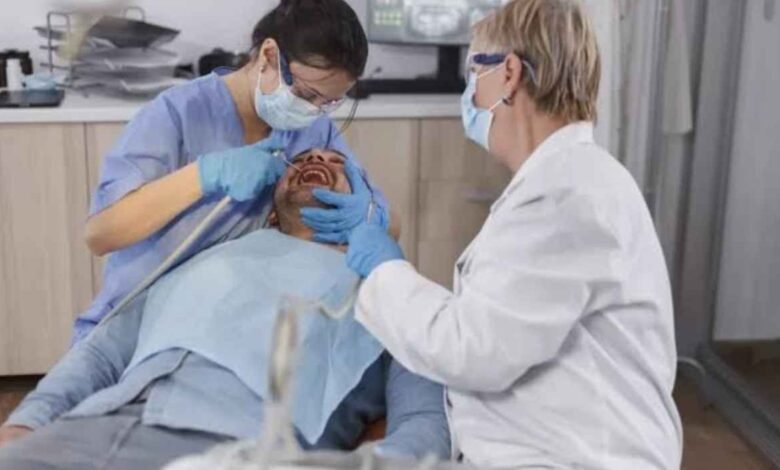
Dental emergencies can happen unexpectedly, causing severe pain, swelling, bleeding, or damage to your teeth. Knowing where to find an emergency dentist near me can make a significant difference when immediate dental attention is necessary. Whether you experience a sudden toothache, break a tooth while eating, lose a filling, or suffer an injury during an accident, getting professional dental care quickly can help prevent complications. This guide explains common dental emergencies, available treatments, costs, preparation tips, and how to choose a reliable emergency dental clinic.
| Quick Bio | Details |
|---|---|
| Main Keyword | Emergency Dentist Near Me |
| Topic | Emergency Dental Services |
| Service Type | Urgent Dental Care |
| Common Problems | Toothache, broken teeth, swelling, bleeding |
| Treatment Options | Fillings, extractions, root canals, repairs |
| Availability | Depends on clinic and location |
| Main Purpose | Fast diagnosis and dental treatment |
1. What Is an Emergency Dentist?
An emergency dentist is a dental professional who provides urgent treatment for unexpected oral health problems. These problems may involve severe toothaches, damaged teeth, infections, bleeding gums, or injuries to the mouth. Emergency dental services focus on relieving pain, controlling infection, protecting damaged teeth, and preventing further complications. Unlike routine appointments, emergency visits prioritize conditions that require prompt attention. Some clinics offer same-day appointments, while others provide after-hours services depending on their facilities and staffing.
2. Why Emergency Dental Care Matters
Dental problems can become more complicated when treatment is delayed. An untreated infection may spread, a damaged tooth may become more difficult to restore, and severe pain can interfere with sleeping, eating, and daily activities. Prompt professional assessment helps identify the cause of the problem and determine the safest treatment. Emergency care is particularly important when symptoms include facial swelling, fever, uncontrolled bleeding, or difficulty swallowing. These signs may indicate a serious condition that requires immediate medical attention.
3. Common Reasons to Visit an Emergency Dentist

People seek urgent dental treatment for different reasons. Severe toothaches, broken crowns, knocked-out teeth, dental abscesses, loose restorations, and injuries are common examples. Some conditions develop gradually, while others happen suddenly because of accidents or sports activities. Understanding these warning signs helps patients recognize when professional attention is necessary. If discomfort is intense, symptoms are worsening, or normal activities become difficult, contacting a dental professional is a sensible first step.
4. Severe Toothache and Sudden Dental Pain
A severe toothache can result from tooth decay, a cracked tooth, gum disease, or an infection affecting the dental pulp. Pain may feel sharp, throbbing, or continuous. Some people experience increased discomfort when drinking hot or cold beverages. Temporary pain relief does not necessarily mean the underlying problem has disappeared. A dentist can examine the affected tooth, identify the cause, and recommend appropriate treatment. Persistent or severe pain should not be ignored.
5. Broken or Chipped Teeth
Teeth can crack or chip when biting hard foods, experiencing an accident, or receiving an impact during sports. Small chips may not cause significant discomfort, but larger fractures can expose sensitive inner structures. Rinse your mouth gently with warm water and avoid chewing on the damaged side. If possible, save any broken tooth fragments and take them to your appointment. A dentist may recommend bonding, a crown, or another restorative procedure depending on the damage.
6. Knocked-Out Tooth: What Should You Do?
A permanent tooth that has been completely knocked out requires urgent attention. Pick it up by the crown rather than touching the root. If it is dirty, rinse it gently with milk or saline without scrubbing. If possible, place it back into its socket without forcing it. Otherwise, keep it in milk or an appropriate tooth-preservation solution and seek immediate dental treatment. Time is critical, and prompt professional care may improve the possibility of saving the tooth.
7. Dental Abscess and Serious Infections
A dental abscess is a pocket of pus caused by a bacterial infection. It may produce severe pain, swelling, a bad taste, fever, or sensitivity when chewing. An abscess generally requires professional treatment because the infection does not reliably disappear without addressing its source. Treatment may involve draining the infection, performing a root canal, or removing the affected tooth. Facial or neck swelling accompanied by difficulty breathing or swallowing requires emergency medical attention.
8. Swollen Gums and Facial Swelling
Swollen gums can develop because of infection, irritation, trapped food, or gum disease. Facial swelling may indicate that a dental infection is spreading beyond the affected tooth. If swelling increases quickly or is accompanied by fever, seek urgent medical or dental assessment. Avoid squeezing swollen areas or attempting to drain them yourself. Professional evaluation helps determine whether medication, drainage, or dental treatment is required to control the underlying cause.
9. Lost Filling or Dental Crown
A lost filling or crown can expose sensitive tooth structures and cause discomfort during eating or drinking. Keep the restoration if you can find it, and avoid chewing on the affected tooth. A dentist may be able to reattach a crown or replace the missing restoration. Do not use household glue or permanent adhesives inside your mouth. If pain becomes severe or the tooth breaks further, request an urgent appointment.
10. Dental Emergencies During Sports
Sports activities can cause dental injuries, particularly in contact sports such as football, boxing, basketball, and hockey. A direct impact may loosen, fracture, or completely displace a tooth. Wearing a properly fitted mouthguard reduces the risk of many sports-related dental injuries. If an accident occurs, assess the injury and seek professional care promptly. Severe bleeding, suspected jaw fractures, or loss of consciousness also require emergency medical evaluation.
11. How to Find a Reliable Emergency Dentist
Finding a suitable clinic requires more than choosing the first result online. Check whether the dental practice treats urgent cases, offers appropriate diagnostic equipment, and has qualified professionals. Look for clear contact information, transparent pricing, and patient reviews from multiple sources. Confirm whether the clinic accepts walk-ins or requires telephone booking. When searching for an emergency dentist near me, compare nearby options and prioritize clinics that can explain their availability and treatment process clearly.
12. Benefits of Same-Day Dental Appointments
Same-day dental appointments can help patients receive timely assessment when unexpected problems occur. They are particularly useful for severe toothaches, damaged restorations, and dental injuries. Early treatment may reduce discomfort and help prevent a condition from becoming more complicated. However, same-day availability varies between clinics, and not every dental problem can be fully treated during the first visit. The dentist may provide immediate relief and schedule additional treatment when necessary.
13. What Happens During an Emergency Dental Visit?
An emergency dental appointment usually begins with questions about symptoms, medical history, and when the problem started. The dentist examines the mouth and may take dental X-rays to identify hidden damage or infection. After diagnosing the condition, the professional explains available treatment options, expected costs, and possible follow-up care. Depending on the situation, treatment may include pain management, a temporary filling, drainage, tooth repair, or another procedure.
14. Emergency Dental X-Rays and Diagnosis
Dental X-rays help identify problems that cannot always be seen during a visual examination. They may reveal infections around tooth roots, hidden fractures, decay between teeth, and damage beneath existing restorations. The dentist decides whether imaging is necessary based on symptoms and examination findings. Modern dental imaging uses carefully controlled radiation exposure. Accurate diagnosis helps the professional select an appropriate treatment rather than relying only on the patient’s description of pain.
15. Emergency Root Canal Treatment
A root canal may be necessary when the dental pulp becomes infected or severely damaged. The procedure involves removing affected tissue, cleaning the inside of the tooth, and sealing the root canal system. It can help preserve a natural tooth that might otherwise require extraction. Some emergency visits involve starting the procedure to control pain and infection, followed by another appointment for completion and restoration. The dentist determines whether root canal treatment is suitable.
16. Emergency Tooth Extraction
Tooth extraction may become necessary when a tooth is severely damaged, infected, or impossible to restore safely. Before recommending removal, the dentist examines the tooth and considers alternatives. Local anesthesia is commonly used to reduce discomfort during the procedure. After extraction, patients receive instructions about bleeding control, eating, cleaning, and recovery. Following these instructions is important because disturbing the healing area can cause complications, including a painful condition known as dry socket.
17. Emergency Dental Care for Children
Children may experience dental emergencies while playing, eating, or participating in sports. Common problems include chipped teeth, mouth injuries, severe toothaches, and knocked-out permanent teeth. Parents should remain calm, gently rinse the mouth, and contact a dental professional for advice. A knocked-out baby tooth should not be pushed back into its socket because this could damage the developing permanent tooth. Serious injuries, heavy bleeding, or facial swelling require urgent assessment.
18. Emergency Dental Care for Adults
Adults can experience urgent dental problems because of untreated decay, gum disease, accidents, or damaged restorations. Older dental work may also become loose or break unexpectedly. People with existing dental conditions should pay attention to new symptoms, particularly persistent pain or swelling. A professional examination helps determine whether the problem needs immediate treatment or a planned restorative procedure. Maintaining regular dental appointments can reduce the likelihood of unexpected complications.
19. Emergency Dental Services After Normal Working Hours
Dental pain does not always happen during regular office hours. Some clinics provide evening, weekend, or holiday appointments, while others direct patients to an on-call professional. Availability depends on the location and individual practice. When looking for an emergency dentist near me outside normal working hours, telephone the clinic before travelling. Explain your symptoms and ask whether the practice can provide the treatment you need or recommend an appropriate emergency service.
20. How Much Does Emergency Dental Treatment Cost?
The cost of urgent dental treatment depends on the type of problem, diagnostic tests, treatment complexity, materials, and clinic location. A simple examination may cost less than a root canal, surgical extraction, or dental crown. Additional charges may apply for after-hours appointments or emergency imaging. Ask the clinic for an estimated breakdown before treatment whenever possible. If you have dental insurance, confirm whether emergency examinations and procedures are included in your coverage.
21. Home Remedies Before Reaching the Dentist
Home remedies may provide temporary comfort, but they cannot replace professional dental treatment. Rinsing with warm salt water may help keep the mouth clean, while a cold compress can reduce external swelling. Avoid chewing hard foods and choose soft meals until the affected area is examined. Over-the-counter pain medication may help when used according to its label and individual medical advice. Never place aspirin directly against the tooth or gums because it can damage oral tissues. MouthHealthy+1
22. What to Do About Bleeding Gums or Mouth Injuries

Bleeding may occur after an accident, a cut, or an injury involving the gums, tongue, or cheeks. Gently rinse your mouth with clean water and apply pressure using clean gauze or cloth. Avoid repeatedly touching the injured area because this may interfere with clot formation. If bleeding is heavy, continues despite firm pressure, or follows a serious facial injury, seek immediate medical attention rather than waiting for a routine appointment.
23. How to Handle a Loose or Displaced Tooth
A tooth that becomes loose or moves out of its normal position after an accident needs prompt assessment. Avoid pushing it repeatedly with your tongue or fingers. Do not attempt to force it back into position without professional guidance. Contact a dentist immediately and explain how the injury happened. Early evaluation can help determine whether the tooth needs repositioning, stabilization, or additional treatment to protect the surrounding tissues.
24. Emergency Care for Wisdom Tooth Pain
Wisdom teeth sometimes cause discomfort when they become trapped beneath the gums or do not have enough room to grow properly. Symptoms can include swelling, tenderness, difficulty opening the mouth, and pain while chewing. Food and bacteria may collect around partially erupted teeth, increasing the risk of inflammation. A dental professional can examine the area and recommend cleaning, medication when appropriate, or extraction if the condition requires it.
25. Can a Dental Emergency Be Treated Without Extraction?
Yes, many dental emergencies can be managed without removing the affected tooth. Depending on the condition, treatment may include fillings, crowns, root canal procedures, bonding, or stabilization. Dentists generally evaluate whether a natural tooth can be preserved before recommending extraction. The final decision depends on the amount of remaining healthy tooth structure, the condition of the root, infection severity, and overall oral health. Early assessment can increase the available treatment options.
26. Questions to Ask Before Choosing a Dental Clinic
Before selecting a practice, ask whether it accepts emergency patients and how quickly an appointment can be arranged. Find out whether examinations, X-rays, and urgent procedures are available at the same location. You can also ask about professional qualifications, estimated charges, payment arrangements, and follow-up appointments. Clear communication helps you understand the treatment process and avoid unexpected expenses. Choose a clinic that answers your questions professionally and explains its recommendations.
27. How to Prepare for an Emergency Dental Appointment
Preparation can make an urgent appointment more efficient. Write down when your symptoms began, where the pain occurs, and whether anything makes it better or worse. Bring a list of current medications, allergies, and relevant medical conditions. Carry your insurance details if applicable, along with any broken dental restorations or tooth fragments. If possible, telephone the clinic before leaving so the staff can advise you about arrival arrangements.
28. Emergency Dental Care and Insurance Coverage
Dental insurance policies differ in their coverage for urgent examinations, diagnostic imaging, restorative procedures, and surgical treatments. Some plans cover emergency consultations but apply separate limits to major procedures. Before treatment, contact your insurance provider or ask the clinic to explain its billing arrangements. If you do not have insurance, request a written estimate and ask whether payment plans are available. Understanding the financial details can help you make informed decisions.
29. Is an Emergency Room Suitable for Dental Problems?
Hospital emergency departments are important when a dental problem involves a serious medical risk. Examples include difficulty breathing, difficulty swallowing, uncontrolled bleeding, major facial injuries, and rapidly spreading swelling. However, hospital emergency departments may not provide definitive dental procedures such as fillings, crowns, or routine root canal treatment. When symptoms appear life-threatening, seek emergency medical care first. For other urgent dental conditions, contact a qualified dental professional for appropriate treatment. Emergency Care+2
30. How to Prevent Future Dental Emergencies
Preventive dental habits can reduce the likelihood of unexpected oral health problems. Brush twice daily with fluoride toothpaste, clean between your teeth, and attend regular dental examinations. Avoid biting hard objects, opening packages with your teeth, or chewing ice. People involved in sports should consider wearing properly fitted mouthguards. Addressing small cavities and damaged restorations early can also reduce the possibility of developing severe pain or infection later.
31. Choosing Between a General Dentist and a Dental Specialist
General dentists manage many common urgent conditions, including toothaches, cavities, damaged fillings, and uncomplicated extractions. Some situations require additional expertise from specialists. Endodontists focus on root canal treatment, while oral surgeons manage certain complex extractions and facial injuries. Periodontists treat diseases affecting the gums and supporting structures. Your first dental assessment can help determine whether specialist care is necessary. A reliable practice should explain referrals and coordinate further treatment when required.
32. What Should You Eat After Emergency Dental Treatment?
Food choices depend on the procedure performed and the dentist’s recovery instructions. Soft foods such as yogurt, mashed potatoes, scrambled eggs, and soup may be easier to eat during recovery. Avoid very hot foods, hard snacks, sticky sweets, and anything that places pressure on the treated area. After an extraction, follow the specific instructions about drinking, chewing, and avoiding straws. Gradually return to your normal diet when your dentist confirms it is appropriate.
33. Warning Signs That Require Immediate Medical Attention
Some oral symptoms indicate a medical emergency rather than an ordinary dental problem. Difficulty breathing or swallowing, significant facial or neck swelling, uncontrolled bleeding, and serious jaw injuries should never be ignored. Fever combined with worsening infection symptoms also deserves urgent assessment. If swelling affects the airway or breathing becomes difficult, contact local emergency medical services immediately. Do not delay emergency medical care while trying to arrange a routine dental appointment. nhs.uk+2
34. Why Regular Dental Checkups Still Matter
Emergency treatment addresses unexpected problems, but preventive appointments remain essential for long-term oral health. Regular examinations help identify cavities, gum inflammation, damaged fillings, and other conditions before they become painful. Professional cleaning also helps remove plaque and tartar that ordinary brushing may not eliminate. Your dentist can recommend an examination schedule based on your individual needs. Consistent preventive care may reduce the likelihood of requiring urgent procedures in the future.
35. Finding Dental Care in Your Local Area
When choosing a nearby dental practice, consider distance, opening hours, professional experience, treatment facilities, and patient communication. Search engines, dental directories, local recommendations, and clinic websites can help you create a shortlist. Check the clinic’s address and telephone number before travelling. If your symptoms are severe, call first and describe the problem clearly. This allows the dental team to assess urgency and explain whether it can manage your condition.
36. Understanding Emergency Dental Treatment in Pakistan
Patients in Pakistan can contact private dental clinics, hospital dental departments, and specialist practices for urgent oral health concerns. Services and appointment availability vary between cities and individual providers. Before visiting, confirm the dentist’s registration, qualifications, consultation charges, and available procedures. Patients in smaller cities may need a referral to a larger hospital for specialized treatment. Always seek emergency medical assistance if a dental infection causes breathing difficulties or serious facial swelling.
37. The Importance of Following Aftercare Instructions
Aftercare is an important part of successful dental treatment. Your dentist may provide instructions about brushing, rinsing, eating, medication, and activity restrictions. Follow these recommendations carefully rather than relying on general internet advice. Contact the clinic if pain becomes worse, swelling increases, bleeding continues, or new symptoms appear. Keeping follow-up appointments allows the professional to check healing progress and identify complications before they become more serious.
38. Final Checklist for Urgent Dental Problems
When an unexpected dental problem occurs, stay calm and assess your symptoms. Contact a qualified clinic, explain what happened, and follow the instructions provided by its staff. Keep damaged teeth or restorations safe when appropriate, avoid unnecessary pressure on the injured area, and do not attempt risky home procedures. For breathing difficulties, severe swelling, or uncontrolled bleeding, seek emergency medical assistance immediately. Taking sensible action can protect your oral health and support safer treatment.
39. How to Recognize a Trustworthy Emergency Dental Professional
A trustworthy dental professional should explain the diagnosis, discuss treatment alternatives, and answer questions without unnecessary pressure. Check professional credentials and whether the clinic follows appropriate hygiene and sterilization procedures. The dentist should also explain potential risks, expected recovery time, and any follow-up requirements. Avoid practices that promise guaranteed results without examining your condition. Professional communication and transparent treatment planning are important parts of receiving safe dental care.
40. Can You Walk Into an Emergency Dental Clinic?
Some dental clinics accept walk-in patients, while others operate through scheduled emergency appointments. Walk-in availability depends on staffing, existing patients, and the complexity of your dental problem. Calling before arriving is generally helpful because the receptionist can explain waiting times and available services. If your condition is serious, clearly explain your symptoms so the clinic can determine whether immediate assessment or hospital care is more appropriate.
41. The Role of Modern Technology in Emergency Dentistry
Modern dental technology helps professionals identify and treat oral health problems more accurately. Digital X-rays, intraoral cameras, and advanced diagnostic equipment can reveal damage that might otherwise remain hidden. Some clinics also use digital scanning and modern restorative materials to improve treatment planning. Technology does not replace professional experience, but it can support accurate diagnosis and efficient procedures. Ask your dentist which diagnostic methods are appropriate for your particular condition.
42. Long-Term Oral Health After an Emergency
Recovering from a dental emergency should be followed by a long-term oral health plan. Depending on the original problem, you may need additional fillings, crowns, gum treatment, or replacement restorations. Continue brushing and flossing regularly, and follow the recommended examination schedule. Avoid ignoring mild symptoms simply because the original pain has disappeared. Consistent care helps maintain healthy teeth and gums while reducing the possibility of similar problems returning.
43. Final Thoughts on Getting Urgent Dental Help
Dental emergencies can be stressful, especially when pain or swelling appears without warning. Understanding common warning signs, knowing basic first-aid steps, and choosing a qualified professional can make the situation easier to manage. Do not delay treatment for severe pain, infections, knocked-out teeth, or significant injuries. Always follow professional advice and seek hospital care for potentially life-threatening symptoms. For additional general information about oral health and dental treatment, visit Wikipedia’s Dentistry article.
Frequently Asked Questions
1. When should I visit an emergency dentist?
- Visit urgently for severe tooth pain, dental infections, knocked-out permanent teeth, significant fractures, or uncontrolled oral bleeding.
2. Can I get a same-day dental appointment? - Many clinics offer same-day appointments, but availability depends on their schedules, location, and emergency services.
3. What should I do if my permanent tooth gets knocked out? - Handle it by the crown, keep it moist, and seek immediate dental attention, ideally within 30 minutes. American Association of Endodontists+14. Are dental abscesses serious?
- Yes. An abscess requires urgent professional treatment because the infection will not reliably disappear without addressing its source. nhs.uk+15. Can I visit an emergency dentist without insurance?
- Yes. Many private clinics accept self-paying patients, although fees and payment arrangements vary between practices.