

Introduction
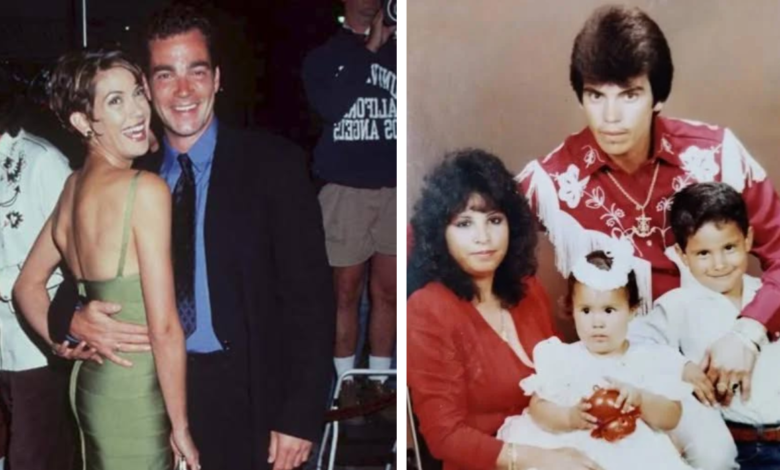
Marisela Vallejos Felix is widely recognized as the wife of the late Mexican singer Chalino Sánchez and the mother of singer Adán Sánchez. Her life became connected to regional Mexican music through her marriage, family experiences, and the tragic events that affected her loved ones. Although her husband became a celebrated figure in corrido music, she has generally maintained a more private public profile. Understanding her story means looking beyond celebrity and exploring family, motherhood, personal loss, and the continuing influence of a musical legacy that still attracts listeners around the world.
| Quick Bio | Details |
|---|---|
| Full name | Marisela Vallejos Felix |
| Known for | Being Chalino Sánchez’s wife |
| National background | Commonly associated with Mexican heritage |
| Husband | Rosalino “Chalino” Sánchez Félix |
| Marriage | Commonly reported as 1984 |
| Son | Adán Sánchez |
| Daughter | Cynthia Sánchez Vallejo |
| Public profile | Primarily known through family connections |
| Husband’s profession | Singer and songwriter |
| Husband’s death | May 16, 1992 |
| Son’s death | March 27, 2004 |
| Birth date | Not reliably established in widely available authoritative sources |
Who Is Marisela Vallejos Felix?
Marisela Vallejos Felix is best known for her relationship with Chalino Sánchez, whose music helped shape the modern popularity of corridos among Mexican and Mexican American audiences. Her identity in public accounts is closely connected to her role as a wife and mother. Unlike many people associated with famous entertainers, she has not maintained a highly visible entertainment career. This distinction matters because much of the information available about her concerns her family rather than her independent professional activities, personal interests, or private experiences.
Early Life and Background
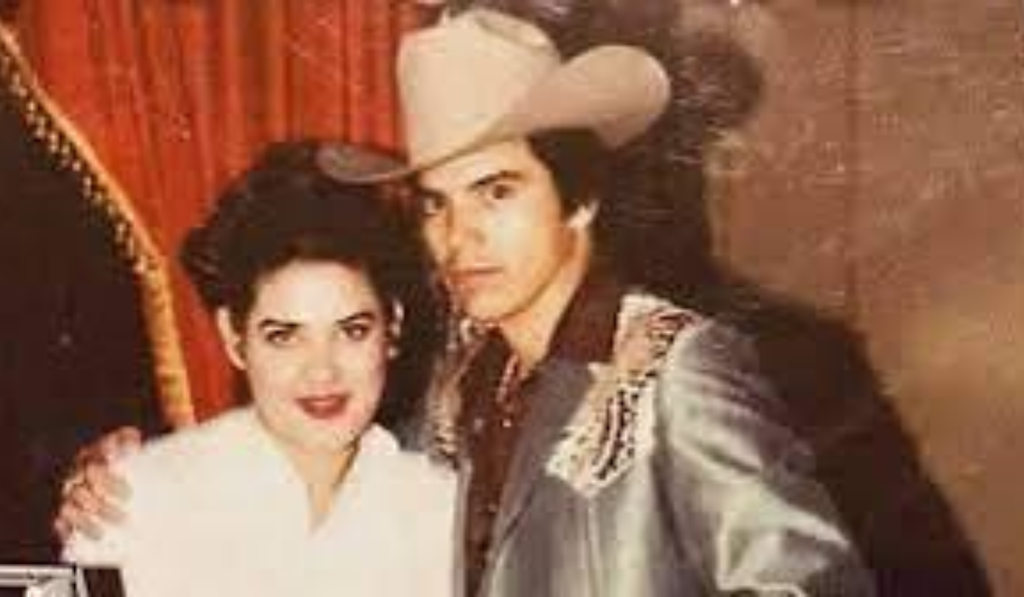
Detailed information about her childhood, education, parents, and early ambitions is limited in widely accessible, reliable sources. Some biographies associate her origins with Mexicali, Baja California, although a complete, independently verified account of her early life is difficult to establish. Readers should be cautious about websites that present precise birth dates, family histories, or educational records without supporting evidence. A responsible biography acknowledges these gaps rather than filling them with speculation, particularly when the person being discussed has generally remained outside the entertainment spotlight.
Her Mexican Heritage and Cultural Roots
Mexican culture provides important context for understanding the family story associated with Marisela. Regional music, family relationships, migration, and community traditions have played significant roles in the lives of many Mexican and Mexican American families. Chalino’s songs connected with audiences who recognized the experiences and emotions reflected in his storytelling. Although her personal cultural practices have not been comprehensively documented, her family’s connection to regional Mexican music places her story within a broader cultural tradition that continues to influence listeners in Mexico and the United States.
How She Met Chalino Sánchez
Public accounts commonly report that Marisela met Chalino in California in 1983 through a relative or family connection. At that time, he was working to establish himself while navigating the challenges of life in the United States. His eventual musical success had not yet reached the scale for which he would later become known. Their relationship developed before his reputation as a major corrido figure was firmly established, making their shared history an important part of the personal background behind his public image.
Marriage and Family Life
Marisela and Chalino married in 1984, according to widely circulated biographical accounts. Their marriage coincided with the early period of Chalino’s recording career and the growth of their family. While he became increasingly associated with performances, recordings, and songs inspired by difficult real-life experiences, family life continued alongside his professional ambitions. Public sources provide only a limited view of their private relationship, so claims about their everyday routines or personal disagreements should not be treated as established facts without credible documentation.
Life as the Wife of a Rising Singer
Being married to an emerging musician can involve uncertainty, financial pressure, travel, and changing family responsibilities. Chalino’s career developed in a distinctive musical environment where local performances and direct relationships with audiences helped artists build recognition. As his popularity grew, public attention increasingly focused on his music and reputation. Marisela’s place in this story is primarily that of a family member who shared the period of his rise, rather than a documented performer or music executive in her own right.
Chalino Sánchez’s Musical Career
Chalino Sánchez, born Rosalino Sánchez Félix, became known for his distinctive voice and his interpretation of corridos. His songs frequently presented stories involving migration, hardship, violence, loyalty, and everyday experiences. His direct delivery and connection with working-class audiences helped him develop a devoted following. His career also became part of the wider history of regional Mexican music, particularly the corrido tradition. Learning about his musical development provides context for understanding why his family continues to attract public interest decades after his death.
What Made Chalino Different From Other Singers?
Chalino stood out because his music often felt rooted in personal accounts and stories circulating within the communities he served. Rather than relying exclusively on polished romantic ballads, he became associated with narrative songs that described real or reportedly real people and events. His vocal style, independent approach, and connection with listeners contributed to his reputation. His music subsequently influenced the public image of corrido performers and helped establish a foundation for later artists who explored similar storytelling traditions.
Becoming a Mother
Motherhood became a central part of Marisela’s life through her two children, Adán Sánchez and Cynthia Sánchez Vallejo. Her son later followed his father into regional Mexican music, while her daughter has been identified in public reporting as another member of the family. The experiences of raising children while connected to a growing musical career are not fully documented, but the family’s later tragedies demonstrate how closely their private lives became associated with the history of two well-known performers.
Her Son Adán Sánchez
Adán Sánchez, born on April 14, 1984, became a regional Mexican singer and songwriter in his own right. Known professionally as Adán Chalino Sánchez, he developed a musical identity that reflected both his father’s influence and his own connection with younger audiences. His career demonstrated that the family’s association with music extended beyond Chalino. Adán’s recordings and performances helped him establish recognition before his life ended tragically in 2004, leaving fans to reflect on the future his promising career might have held.
Her Daughter Cynthia Sánchez Vallejo
Cynthia Sánchez Marisela Vallejo Felix is identified in public accounts as Chalino and Marisela’s daughter. Compared with her father and brother, she has maintained a less prominent public profile. Her name appears in discussions of the family and in reporting concerning Chalino’s legacy. However, detailed information about her personal life, education, relationships, and career is limited. It is important to distinguish her documented family connection from unsupported claims about her private circumstances, particularly when online biographies repeat personal details without providing dependable sources.
The Tragic Death of Chalino Sánchez
Chalino Sánchez was murdered in May 1992 in Sinaloa, Mexico. His death became one of the defining events associated with his name and contributed to the lasting mythology surrounding his music. The circumstances have inspired extensive discussion, documentaries, and competing interpretations, but not every popular theory has been conclusively established. For his family, the event was a personal tragedy rather than simply a dramatic episode in music history. It changed the lives of those closest to him and left his children growing up without their father.
Life After Her Husband’s Death
Following Chalino’s death, Marisela became responsible for navigating life as a widow while raising their children and dealing with the consequences of a highly public tragedy. Public reporting offers glimpses into her concerns about how her husband’s legacy was represented and managed. However, the full details of her private life during this period remain largely unavailable. It is therefore more accurate to focus on documented interviews and public statements than to make assumptions about her emotional recovery, relationships, or daily experiences.
The Death of Adán Sánchez
In March 2004, Adán Sánchez died at the age of 19 in a road accident in Sinaloa, Mexico. His death shocked fans who had followed his emerging musical career and recognized his connection to Chalino. For the family, the loss came after the earlier death of his father, making the tragedy especially significant in accounts of their history. Adán’s recordings and performances remain part of his musical legacy, and his story continues to draw attention from listeners discovering the Sánchez family.
Coping With Personal Loss
The deaths of a spouse and a child are profound events, but the personal ways people cope with grief differ considerably. There is limited reliable public information describing Marisela’s private emotional journey in detail. It would therefore be inappropriate to assign specific feelings, coping habits, or psychological experiences to her without direct evidence. What can be said is that the family experienced two major losses that became inseparable from its public story. Remembering these events with sensitivity helps keep the focus on the people involved rather than sensationalism.
Protecting Chalino’s Legacy
The preservation of an artist’s legacy can involve recordings, photographs, interviews, commercial rights, and decisions about how a life is portrayed on screen. In a 2021 interview reported by Bandamax, Marisela expressed a preference for a television series that presented Chalino realistically, including both positive and negative aspects of his character. Her comments illustrated the importance she placed on avoiding excessive fictionalization. They also showed that family members may have perspectives that differ from the dramatic versions of an artist’s story developed for entertainment.
Concerns About Biographical Accuracy
Stories about famous musicians can become distorted when rumors, dramatic retellings, and online speculation are repeated without verification. Chalino’s life has inspired considerable fascination, partly because of the circumstances of his death and the subjects addressed in his music. Marisela’s reported wish for a more realistic portrayal reflects a broader challenge in celebrity storytelling: balancing audience interest with historical accuracy. Reliable accounts should separate confirmed events from theories, identify uncertainty clearly, and avoid treating every repeated anecdote as established history.
Her Connection to Regional Mexican Music
Although Marisela is not primarily known as a recording artist, her family connections place her within the cultural history of regional Mexican music. Chalino’s recordings helped popularize a style of corrido storytelling that resonated strongly with audiences on both sides of the United States–Mexico border. Adán later developed his own career within a related musical tradition. Their work demonstrates how musical influence can pass between generations, while the family’s story illustrates the personal experiences that exist behind a public musical legacy.
The Meaning of Corridos
Corridos are narrative songs that tell stories about people, events, conflicts, and social conditions. Historically, they have served as a form of popular storytelling, preserving accounts that may not otherwise receive much attention. Modern corridos encompass a wide range of themes and musical approaches. Chalino became particularly associated with songs about hardship, danger, loyalty, and real-life experiences. Understanding this tradition helps explain why his music generated such devoted interest and why discussions of his family remain connected to the cultural impact of his recordings.
Public Image and Private Identity
A person associated with a famous entertainer can become known primarily through a relationship rather than through personal achievements or public statements. Marisela’s experience illustrates this distinction. Online searches often focus on her marriage, children, and life after tragedy, while reliable information about her individual interests and professional activities remains limited. Her public identity should not be mistaken for a complete picture of her personality. A respectful account recognizes that a private individual may have a much fuller life than the available media coverage reveals.
Why People Continue Searching for Her Story
Interest in Marisela continues because audiences regularly discover Chalino’s music and want to understand the family behind it. New listeners may first encounter his recordings through streaming platforms, social media, documentaries, or recommendations from older generations. Learning about his marriage and children offers context beyond the songs themselves. Search interest also reflects a wider fascination with the lives of musicians whose careers ended unexpectedly. Accurate biographical information helps readers distinguish documented family history from online rumors and sensational claims.
Media Coverage and Documentaries
Television programs, interviews, and documentary projects have contributed to public understanding of Chalino’s life. Such productions can preserve important memories, but their reliability depends on the quality of the reporting and the distinction between evidence and dramatic reconstruction. Family interviews are particularly valuable when they provide firsthand perspectives, although individual recollections should still be understood in context. For anyone researching Marisela, the best approach is to prioritize named interviews, reputable journalism, and primary records over anonymous entertainment websites that offer no traceable sources.
What Is Known About Her Current Life?
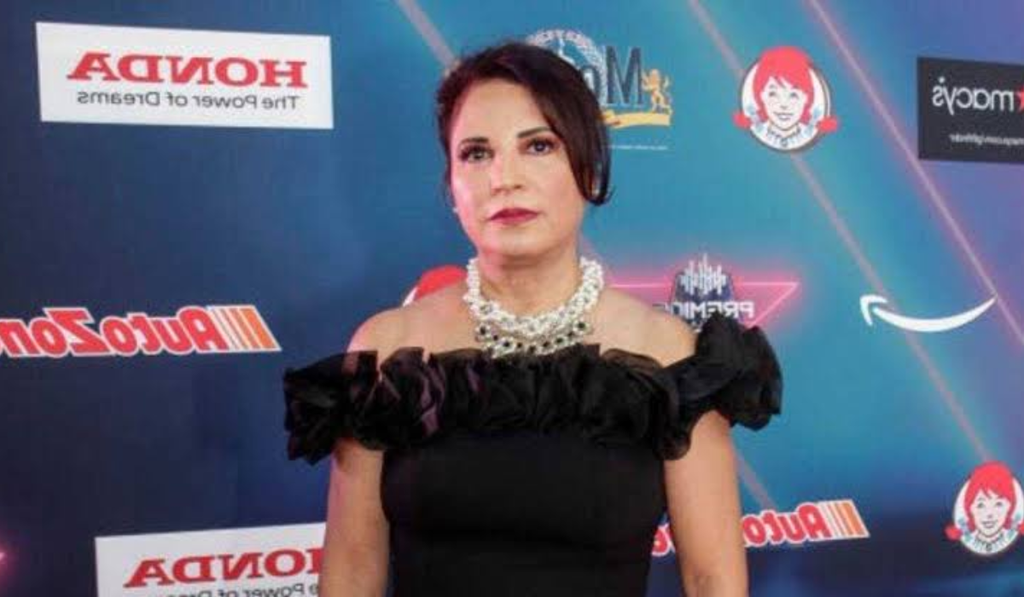
Reliable public information about Marisela’s current daily routine, residence, relationships, and activities is limited. She has not maintained the same level of public visibility as her late husband or son, and that absence should not automatically be interpreted as evidence of any particular lifestyle. Claims about where she lives, whether she has remarried, or how she spends her time require dependable confirmation. Readers should be cautious about websites that state these details with certainty while providing no verifiable evidence.
Net Worth and Financial Information
There is no dependable, widely verified public figure establishing Marisela’s personal net worth. Online estimates may appear in celebrity biographies, but many do not explain their calculations or cite financial documents. Her family’s association with commercially released music does not, by itself, establish the amount of money she owns or receives. Royalties, recording agreements, rights ownership, and other financial arrangements can be complicated. Consequently, any precise estimate should be treated cautiously unless supported by credible reporting or relevant public records.
Music Rights and Family Interests
The commercial legacy of a musician can continue long after their death through recordings, licensing, performances, and other uses of their name. Legal documents filed in connection with the Chalino Sánchez name reference a 1993 agreement ratified by his wife, Marisela Vallejo de Sánchez, concerning commercial exploitation of recordings and music videos. This provides a documented example of her connection to decisions involving his musical legacy. However, it does not establish the full details of current rights ownership, royalty arrangements, or her personal financial position.
Her Lasting Place in the Sánchez Family Story
Marisela’s significance is closely tied to her role within a family whose musical influence has endured across generations. Chalino helped shape the public image of modern corrido music, while Adán pursued a career that brought his father’s musical heritage to younger listeners. Their lives and deaths became part of the same broader story, one involving ambition, creativity, migration, family bonds, and loss. Marisela remains an important figure in that history because she shared their family life and has spoken publicly about how Chalino should be remembered.
Separating Facts From Online Rumors
Readers researching this family may encounter conflicting claims about ages, birthplaces, relationships, income, and private circumstances. Differences between websites do not necessarily mean that one version is correct; sometimes the original source is unclear or information has been copied repeatedly. A useful research habit is to check whether a claim appears in a reputable publication, an official document, or a direct interview. When reliable evidence is missing, the most accurate conclusion is that the detail remains unconfirmed rather than choosing whichever version sounds most convincing.
Frequently Asked Questions
1. Who is Marisela Vallejos Felix?
- She is best known as the wife of late Mexican singer Chalino Sánchez and the mother of Adán Sánchez and Cynthia Sánchez Vallejo.
2. When did she marry Chalino Sánchez?
- Public biographical accounts commonly report that they married in 1984 and remained married until his death in 1992.
3. How many children did she have?
- She had two children with Chalino Sánchez: son Adán Sánchez, a regional Mexican singer, and daughter Cynthia Sánchez Vallejo.
4. What happened to her son Adán Sánchez?
- Adán died in a road accident in Sinaloa, Mexico, on March 27, 2004, at the age of 19.
5. What is her net worth today?
- Her personal net worth has not been reliably established in public sources, so exact figures published online should be treated as unverified estimates.
Conclusion
The story of Marisela Vallejos Felix offers a family-centered perspective on the legacy of Chalino Sánchez and the continuing influence of regional Mexican music. Her life is most clearly documented through her marriage, her children, major family tragedies, and comments about preserving her husband’s story accurately. Many details of her personal life remain private, and acknowledging that limitation makes a biography more trustworthy. Readers who want additional background can explore the related Wikipedia articles on Chalino Sánchez and Adán Sánchez, which provide context about the family’s musical history and lasting cultural influence.