

1. Introduction to Strands Int
Word puzzles have become a popular way to enjoy entertainment while improving vocabulary and thinking skills. Strands is an engaging daily word-search game that challenges players to discover hidden words connected by a common theme. Many players search for strands int when they need guidance, useful clues, or strategies to complete a difficult puzzle. The game combines traditional word searching with creative thinking, making every round interesting. Whether you are a beginner or an experienced puzzle enthusiast, learning how the game works can make your daily experience more enjoyable.
2. What Is the NYT Strands Game?
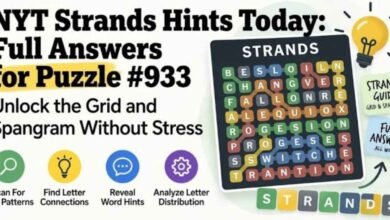
NYT Strands is a daily word puzzle developed by The New York Times. It presents players with a rectangular collection of letters and a theme that connects the hidden answers. Your objective is to discover every theme-related word and locate a special answer called the spangram. Unlike traditional word searches, answers can change direction while following connected letters. Players must examine the entire board carefully to identify possible combinations and understand how the theme relates to the hidden vocabulary.
3. Understanding the Meaning of Strands Int
The search phrase strands int can be understood as a variation of a search for Strands hints. People often use short or incomplete phrases when looking for puzzle assistance online. They may Strands Int want today’s theme explanation, a starting clue, or help identifying difficult words. Understanding this search intention helps players find relevant information without immediately revealing every answer. A useful guide should provide explanations, solving techniques, and optional hints that allow readers to enjoy the challenge independently.
4. How the Strands Puzzle Works

The game uses a six-by-eight letter grid containing several connected answers. Each answer relates to the daily theme, and every letter belongs to one of the final solutions. Players can connect neighboring letters horizontally, vertically, and diagonally. The path can also change direction while forming a word. This flexible movement makes the puzzle more challenging than a standard word search. Understanding these basic rules is essential before trying advanced solving techniques or searching for additional clues.
5. Why Players Search for Strands Hints
Some daily puzzles are easier than others, and certain themes can be difficult to understand. Players frequently look for strands int because they want a small amount of assistance without losing the excitement of solving the board. A useful hint can help someone recognize the subject, identify possible vocabulary, or discover a difficult connection. Hints are especially valuable when several letters appear connected but do not immediately form a familiar word.
6. What Is a Spangram?
A spangram is a special answer that summarizes the central idea of the puzzle. It connects at least two opposite sides of the letter grid and usually provides an important clue about the theme. Finding this answer can make the remaining words easier to recognize because it reveals the general direction of the puzzle. The spangram is often longer than ordinary theme answers, so examining longer letter combinations can be a helpful strategy.
7. How to Find Theme Words
Start by reading the theme carefully and thinking about related objects, activities, expressions, and descriptive terms. Avoid searching randomly because a clear understanding of the subject can reduce unnecessary guesses. Look for familiar letter combinations and possible word endings. When you identify one answer, examine the remaining letters for vocabulary connected to the same idea. This method creates a logical connection between different solutions and helps players complete the board more efficiently.
8. Using the Built-In Hint System
The official game includes a hint feature that can reveal part of an answer. Players generally unlock assistance by finding three valid non-theme words. These words are sometimes called off-theme words because they do not belong to the puzzle’s main category. Once the hint becomes available, it can highlight letters associated with a theme answer. This feature provides useful assistance while allowing players to continue discovering the complete solution themselves.
9. Best Strategy for Beginners
Beginners should avoid rushing through the letter grid. First, read the theme and write down several possible related words mentally. Next, inspect the board for recognizable beginnings, endings, and common letter combinations. Try connecting letters in different directions instead of focusing only on straight lines. If one possible word does not work, move to another section. Regular practice gradually improves recognition skills and makes unfamiliar puzzle themes easier to understand.
10. Improving Vocabulary Through Word Puzzles
Word puzzles introduce players to unfamiliar expressions, synonyms, and vocabulary categories. Each completed round can provide an opportunity to learn something new. When players discover an unfamiliar answer, checking its definition can improve their understanding and memory. Keeping a small vocabulary notebook is another helpful idea. Over time, repeated exposure to different words makes it easier to identify possible answers in future puzzles and improves general language skills.
11. Common Mistakes Players Should Avoid
One common mistake is focusing on individual letters without considering the overall theme. Another is assuming that every answer must follow a straight path. Players sometimes overlook diagonal connections or fail to notice that a word can change direction. Random guessing can also waste time and create confusion. A better approach involves studying the theme, examining connected letters, and testing reasonable possibilities before requesting additional assistance.
12. How to Solve Difficult Daily Puzzles
When a puzzle becomes difficult, take a short break and return with a fresh perspective. Reconsider the theme and think about alternative meanings of its wording. Some themes use jokes, expressions, double meanings, or cultural references. These clues may initially seem unrelated to the visible letters. Looking at the entire grid instead of one small section can reveal combinations that were previously overlooked.
13. Benefits of Playing Strands Regularly
Playing daily word games provides an enjoyable mental activity. It encourages concentration, vocabulary recognition, pattern identification, and logical thinking. Players also develop patience because some answers require several attempts. Regular practice creates a comfortable routine that can be enjoyed during a break or free time. Although a puzzle cannot guarantee measurable improvements in intelligence, it offers a stimulating way to exercise everyday thinking skills.
14. Finding Reliable Online Puzzle Guidance
When searching for strands int, choose websites that clearly explain the theme and separate gentle clues from complete solutions. Reliable guides should identify the relevant puzzle date and explain whether their information contains spoilers. This distinction is important because some visitors want only a small clue, while others prefer to see every answer. Checking the publication date also helps avoid confusing an older puzzle with the current daily challenge.
15. Understanding Different Puzzle Themes
Strands themes can cover a wide variety of subjects. Some rounds involve food, entertainment, animals, sports, household objects, or common expressions. Others use wordplay that requires players to think beyond the obvious meaning. This variety keeps the experience fresh and prevents one solving method from working every time. Developing broad general knowledge can make unfamiliar themes easier to understand and provide more possible vocabulary connections.
16. How Diagonal Connections Work

Diagonal movement is an important feature of the game. Letters do not have to appear directly beside one another in a horizontal or vertical line. A player can connect a letter to a neighboring diagonal position when forming a valid answer. This creates unusual paths that may turn several times before reaching the final letter. Checking diagonal combinations can reveal answers that remain hidden when players only inspect straight rows and columns.
17. Tips for Saving Time
Efficient solving begins with a clear plan. Spend a few moments understanding the theme before exploring the board. Search for longer recognizable words and common prefixes or suffixes. Once a theme word is identified, use its location to examine nearby letters. Avoid repeatedly testing combinations that have already failed. These small habits can make the process more organized and reduce the frustration associated with challenging daily rounds.
18. Playing Without Revealing Spoilers
Some players enjoy receiving assistance but do not want complete answers immediately. The best approach is to use progressive clues. Begin with a general theme explanation, then request a more specific clue if necessary. Only reveal the full answer when you have exhausted other possibilities. This approach maintains the challenge and makes completing a difficult puzzle more satisfying. It also allows players to learn new solving techniques instead of simply copying solutions.
19. The Difference Between Strands and Wordle
Both games belong to the popular family of daily word puzzles, but their gameplay is different. Wordle asks players to identify one hidden five-letter word through limited guesses. Strands presents a grid containing multiple connected answers related to a theme. Its special spangram adds another layer of difficulty. Players who enjoy vocabulary challenges may appreciate both games because they offer different ways to explore words and patterns.
20. The Difference Between Strands and Connections
Connections is another popular New York Times word game. It asks players to organize sixteen words into four groups based on shared relationships. Strands, on the other hand, requires players to find connected words inside a letter grid. Both games reward pattern recognition and creative thinking, but their rules are different. Learning these differences helps new players choose the puzzle experience they find most enjoyable.
21. Can You Play Strands Every Day?
Yes. The game follows a daily puzzle format, giving players a fresh challenge regularly. Each new round introduces a different theme and letter arrangement. This makes it suitable for people who enjoy short entertainment activities as part of their everyday routine. Players can return to the official game platform to access the available daily puzzle. Previous puzzles may also be discussed through independent guides and puzzle archives.
22. How Online Guides Help Puzzle Enthusiasts
Online puzzle guides can make difficult rounds easier to understand. They may provide theme explanations, starting letters, spangram clues, and complete solutions. A good guide should organize this information clearly so readers can choose the amount of assistance they need. Searching for strands int can lead readers toward helpful explanations, provided they check that the information matches the puzzle they are currently playing.
23. Developing Better Pattern Recognition
Pattern recognition becomes more useful when players learn to identify common combinations quickly. For example, familiar prefixes, suffixes, and letter sequences can suggest possible words. Players should also consider the theme before accepting a possible combination. A group of connected letters may form a valid word that does not belong to the puzzle. Understanding both spelling and context helps separate useful discoveries from unrelated possibilities.
24. Is Strands Suitable for All Age Groups?
Word puzzles can be enjoyable for a wide range of players. Younger participants may use them to explore vocabulary, while adults can enjoy them as a daily mental challenge. Difficulty depends on the theme, vocabulary, and familiarity with the subject. Families can also discuss possible answers together, making the activity more interactive. Players should choose an appropriate level of assistance according to their individual experience and comfort.
25. Frequently Asked Questions About Strands Int
Below are answers to common questions about the game, its rules, and the best ways to find puzzle assistance.
1. What does strands int mean?
- It is treated here as a variation of a search for Strands hints, clues, and puzzle-solving information.
2. What is the main objective of Strands?
- The objective is to find all theme-related words and the special spangram hidden in the letter grid.
3. How many letters are in the Strands grid?
- The standard game uses a grid with six rows and eight columns, containing 48 letters.
4. How can players unlock a hint?
- Players can unlock the in-game hint feature by finding three valid non-theme words.
5. Where can I play the official Strands game?
- You can visit the official New York Times Games website at https://www.nytimes.com/games/strands.
Conclusion
Strands is an entertaining daily word puzzle that combines vocabulary, creativity, and pattern recognition. Understanding its rules, recognizing the spangram, and exploring different letter combinations can make solving each round easier. Players who search for strands int should focus on trustworthy guides that provide useful clues without unnecessarily revealing every answer. Regular practice can make the experience more enjoyable while encouraging curiosity about language. For additional background about word puzzles and word-search games, visit Wikipedia’s Word Search article.