

Schoology Alfa is a useful search term for students, teachers, parents, and educational professionals looking to understand a Schoology-based digital learning environment. It is commonly associated with Alfa Fundación and the Schoology Learning platform. This guide explores its meaning, educational purpose, login process, important features, classroom applications, and benefits. Whether you are a student checking assignments or a teacher organizing digital lessons, understanding the platform can help make everyday academic activities easier. The following sections provide practical information, helpful explanations, and responsible guidance for using digital education tools effectively.
| Quick Bio | Information |
|---|---|
| Keyword | Schoology Alfa |
| Category | Educational Technology |
| Platform | Schoology Learning |
| Parent Company | PowerSchool |
| Associated Organization | Alfa Fundación |
| Main Purpose | Digital Learning Management |
| Primary Users | Students, Teachers, Parents |
| Main Features | Courses, Assignments, Grades, Communication |
| Platform Type | Learning Management System (LMS) |
| Accessibility | Web-based and mobile access, subject to institutional configuration |
1. Understanding the Meaning of Schoology Alfa
Schoology Alfa generally refers to an institution-associated Schoology learning environment rather than an entirely independent educational software product. The Schoology platform provides the technology for managing digital courses, assignments, assessments, and communication. The Alfa name identifies the educational setting associated with its use. Understanding this relationship helps users avoid confusion when researching online learning platforms. Instead of expecting a completely different application, visitors should understand how an institution-specific Schoology environment can support academic activities through familiar digital learning tools.
2. The Connection Between Schoology and Alfa Fundación
Alfa Fundación is associated with educational initiatives in Monterrey, Mexico. Its connection with Schoology demonstrates how educational organizations can use established learning management technology to support their academic programs. Schoology provides the digital infrastructure, while the educational organization determines its courses, learning activities, account permissions, and institutional requirements. This arrangement allows teachers and students to access organized educational resources without requiring an institution to develop an entirely new learning management system. The exact experience depends on the organization’s configuration and educational policies.
3. What Is Schoology Learning?
Schoology Learning is a learning management system offered by PowerSchool. It provides educational institutions with a centralized digital environment for organizing courses, managing assignments, communicating with learners, and supporting teaching activities. Teachers can distribute educational materials, create assessments, and review student submissions. Students can access course information and complete assigned activities. Families may also have access to selected academic information through appropriate accounts. The platform supports different learning environments, including traditional classrooms, blended instruction, and remote education.
4. Why Students Search for Schoology Alfa
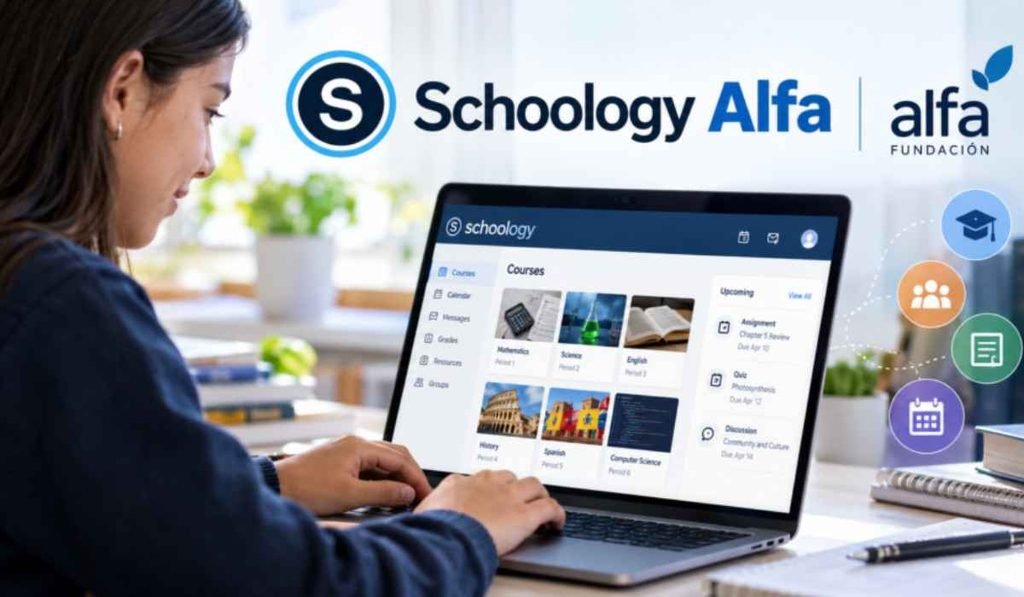
Students may search for Schoology Alfa because they want to locate their educational portal, understand their school’s online learning system, or find instructions for accessing academic materials. Sometimes, students receive a platform name from teachers or school administrators without receiving a detailed explanation. Searching the term can help them discover relevant information about courses, assignments, notifications, and digital classroom activities. However, students should always confirm their institution’s official website and login instructions before entering personal account information.
5. How the Digital Learning Platform Works
A learning management system organizes educational activities through individual courses and digital resources. Teachers create course sections, upload materials, publish assignments, and communicate important information. Students enter their enrolled courses to review instructions, access documents, and submit completed work. Schoology Alfa follows this general Schoology-based learning model, although the available tools depend on institutional settings. The system makes academic information easier to locate by bringing several classroom activities into one organized digital environment.
6. Login and Account Access Information
Accessing an institution-specific Schoology environment generally requires an authorized account and the correct portal address. Students should obtain login instructions directly from their school or educational organization. Depending on the institution, authentication may involve a username, password, or single sign-on service. Users should avoid unofficial websites that request sensitive information. If login credentials stop working, contacting the institution’s technical support team is usually the safest solution. Account access and password recovery procedures may differ between organizations.
7. Exploring the Student Dashboard
The student dashboard provides an overview of important academic activities. Depending on the account configuration, it may display enrolled courses, recent updates, upcoming assignments, reminders, and other learning information. A well-organized dashboard helps students identify tasks that need attention without opening every course individually. Students should develop the habit of checking their dashboard regularly. Reviewing new announcements and deadlines can reduce missed assignments and make academic planning more manageable throughout the school week.
8. Course Management and Organization
Course management is an important part of digital education. Teachers can organize learning materials into folders, pages, files, and other resources that support individual subjects. Students can open their courses and follow the sequence established by their instructors. Schoology Alfa provides an institutional context for this type of organized learning experience. Clear course structures help learners understand what they need to study, which activities are important, and where to find supporting resources. Consistent organization also makes digital classrooms easier to navigate.
9. Assignment Submission and Homework Management
Assignments allow teachers to communicate specific learning tasks and evaluate student understanding. Students may receive instructions, supporting files, submission requirements, and deadlines through their course pages. Depending on the assignment settings, completed work can be submitted as documents or other supported formats. Students should carefully read instructions before uploading their work. They should also confirm that submissions have been successfully recorded. Checking deadlines regularly and completing homework early can help prevent unnecessary academic pressure.
10. Grades and Academic Progress Tracking
Academic progress tracking helps students understand their performance across different subjects. Schoology-based environments can provide access to grades, assignment feedback, and other assessment information when these features are enabled. Teachers use grading tools to review submitted work and communicate results. Schoology Alfa users should remember that displayed grades may depend on institutional settings and teacher publication policies. Students should review feedback carefully rather than focusing exclusively on numerical scores. Constructive feedback can identify strengths and areas that require further practice.
11. Communication Between Teachers and Students
Effective communication is essential for successful education. Digital learning platforms provide tools that help teachers share announcements, instructions, updates, and other important information. Students can use the available communication features to ask appropriate academic questions and clarify assignment requirements. These tools can reduce confusion when learners cannot speak with their teachers immediately after class. Users should communicate respectfully, write clear messages, and follow their institution’s digital communication guidelines. Regular communication also helps create a more supportive learning environment.
12. Learning Resources and Educational Materials
Digital resources make it easier for teachers to distribute information and provide additional learning opportunities. Course materials may include reading documents, presentations, external links, instructional videos, and downloadable files. Students can revisit these resources when reviewing lessons or preparing for examinations. The availability of particular resource types depends on the teacher and platform configuration. Keeping downloaded materials organized and recording important lesson information can help learners develop stronger study habits and use their available educational resources more effectively.
13. Online Quizzes and Assessments
Online assessments provide teachers with ways to measure student understanding and identify learning gaps. Schoology supports assessment activities through tools that can include quizzes, tests, and other evaluation formats. Some objective questions may be graded automatically, while written responses can require teacher review. Schoology Alfa can therefore be understood within a broader digital assessment environment. Students should read assessment instructions carefully, observe time limits where applicable, and prepare using their course materials rather than relying on guesswork.
14. Collaboration and Classroom Discussions
Collaboration encourages students to exchange ideas, consider different perspectives, and improve their understanding of academic subjects. Digital classroom discussions can support this process by allowing learners to respond to questions and contribute relevant information. Teachers can guide discussions around course topics and encourage meaningful participation. A productive online discussion requires respectful language, relevant contributions, and attention to other participants’ viewpoints. These activities can strengthen communication skills while helping students become more confident contributors to group learning experiences.
15. Mobile Learning and Device Accessibility
Mobile access gives learners greater flexibility when reviewing educational information outside the traditional classroom. Schoology provides mobile applications for supported devices, although individual functions can vary between mobile and desktop experiences. Students may be able to review course materials, receive notifications, participate in discussions, and complete supported activities. Schoology Alfa users should follow their institution’s instructions when installing or accessing mobile applications. A reliable internet connection, updated software, and secure device settings can improve the overall experience.
16. Benefits for Teachers and Educators
Teachers can use learning management systems to organize lessons, distribute resources, manage assignments, and provide academic feedback. Having these activities in one environment can reduce the need to rely on multiple disconnected communication channels. Educators can also structure course materials according to subject requirements and student learning needs. Schoology-based systems support instructional organization, but successful teaching still depends on thoughtful lesson planning, clear explanations, and meaningful interaction. Technology should complement the teacher’s professional judgment rather than replace it.
17. Benefits for Students and Independent Learning
Independent learning requires students to take responsibility for their academic progress. Digital learning environments can support this process by making assignments, course materials, and deadlines easier to review. Students can plan their work, revisit difficult topics, and monitor feedback from teachers. Developing a consistent study routine is more important than simply having access to technology. Learners should set realistic goals, organize their study time, and ask questions whenever they encounter unclear instructions or challenging academic concepts.
18. How Parents Can Support Digital Education
Parents and guardians play an important role in helping children develop healthy learning habits. Where parent access is available, Schoology-based platforms may provide information about courses, grades, and academic activities. Families can use this information to discuss progress, identify difficulties, and encourage consistent homework routines. Schoology Alfa should not be viewed as a replacement for communication with teachers. Parents should also respect student privacy and follow the educational organization’s rules concerning account access and personal information.
19. Digital Security and Student Privacy
Digital security should be a priority whenever students use educational technology. Users should protect passwords, avoid sharing account credentials, and sign out of shared devices after completing their work. They should also avoid suspicious links and websites claiming to provide unofficial account access. Educational organizations establish account permissions and privacy policies to help protect institutional information. Students and parents should follow these rules carefully. Responsible online behavior creates a safer learning environment and reduces the possibility of unauthorized account access.
20. Common Login Problems and Troubleshooting
Login problems can occur because of incorrect passwords, expired sessions, browser issues, account restrictions, or institutional authentication changes. Users should first confirm that they are visiting the correct school-provided portal. Checking internet connectivity and refreshing the browser may resolve temporary difficulties. If the issue continues, students should contact their institution’s support team. They should never send passwords through public discussion boards or share sensitive login details with strangers offering unofficial technical assistance.
21. Tips for Better Daily Platform Management
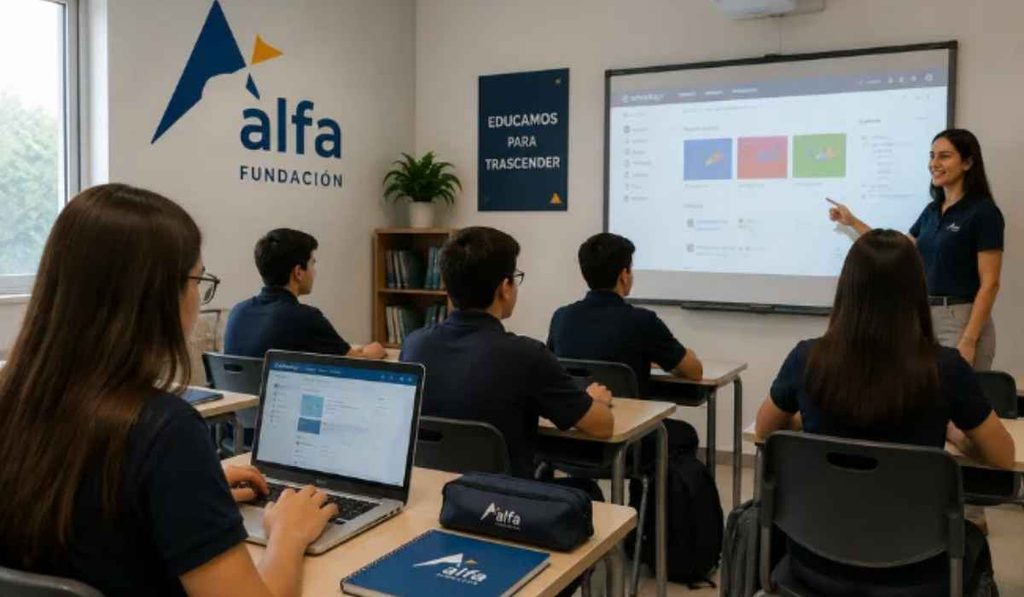
Good organization makes digital learning more productive. Students should check their course dashboards, review upcoming deadlines, and arrange their assignments according to priority. Teachers can improve classroom organization by using clear course names, descriptive assignment instructions, and predictable folders. Families can encourage regular study routines without unnecessarily monitoring every student activity. Schoology Alfa becomes more useful when everyone understands their responsibilities and uses the available digital tools consistently. Simple daily habits can make academic tasks easier to manage.
22. The Role of Technology in Modern Education
Educational technology continues to influence how schools deliver lessons and support academic development. Learning management systems make it possible to distribute resources, manage assignments, and communicate beyond the physical classroom. They can also support hybrid learning models where students combine face-to-face instruction with online activities. However, digital platforms cannot independently guarantee educational success. Effective learning requires qualified educators, relevant resources, student participation, reliable technology, and supportive institutional policies.
23. Comparing Digital Learning With Traditional Classrooms
Traditional classrooms offer direct interaction, immediate clarification, and opportunities for face-to-face collaboration. Digital learning environments provide additional flexibility through online materials, assignment management, and accessible course information. Neither approach needs to replace the other. Combining classroom instruction with a well-managed learning platform can create a more flexible educational experience. Students can benefit from direct teaching while using digital resources for revision, independent study, and communication. The most effective approach depends on learning objectives and institutional needs.
24. Challenges and Limitations of Digital Learning
Despite its advantages, digital education can present several challenges. Students may experience internet connectivity problems, device limitations, technical difficulties, or distractions when studying online. Teachers may also need additional training to organize digital courses effectively. Some learners benefit more from direct assistance than from independent screen-based activities. Institutions should address these challenges through technical support, accessible learning materials, clear policies, and appropriate classroom instruction. Recognizing limitations helps schools use educational technology realistically and responsibly.
25. The Future of Learning Management Systems
Learning management systems are likely to continue developing as educational technology advances. Improvements in accessibility, integration, analytics, communication, and artificial intelligence may create additional opportunities for personalized learning. PowerSchool already describes Schoology Learning as part of its broader educational technology ecosystem. However, schools should evaluate new tools according to their educational value, privacy requirements, and practical usefulness. The future of digital learning should focus on helping educators teach effectively and helping students develop knowledge, confidence, and independent learning skills.
26. Why Accurate Information Matters When Researching the Platform
Online articles sometimes describe educational platforms using exaggerated marketing language or unsupported technical claims. Readers should distinguish verified platform features from assumptions about special editions or advanced capabilities. Schoology Alfa is best understood through its association with an Alfa educational environment and the established Schoology Learning technology. For reliable information, users should prioritize PowerSchool documentation and official institutional instructions. Accurate research helps students find appropriate resources, understand account access, and avoid misleading websites.
27. Practical Recommendations for New Users
New users should begin by obtaining their institution’s official login instructions and reviewing the available dashboard. They should explore their courses, identify assignment locations, check important announcements, and understand how teachers communicate. Students should learn how to submit work and review feedback before approaching major deadlines. Teachers should explain classroom procedures and available digital tools at the beginning of a course. These simple steps help users become comfortable with the platform while reducing confusion during everyday academic activities.
28. Final Thoughts on Digital Education and Schoology
Digital learning works best when technology supports clear educational goals. Students need organized resources, teachers need practical instructional tools, and families need appropriate ways to stay informed. Schoology Alfa represents a search topic connected with this wider educational environment. Understanding its relationship with Schoology Learning makes it easier to distinguish the platform’s genuine functions from unsupported online descriptions. With responsible account management, regular participation, and effective teaching practices, digital learning tools can contribute positively to a structured and engaging educational experience.
Frequently Asked Questions (FAQs)
- What is Schoology Alfa? – It generally refers to an Alfa-associated Schoology Learning environment used for organizing digital educational activities.
- Is Schoology Alfa a separate learning management system? – No, it is generally associated with the established Schoology platform rather than a separately documented LMS product.
- Who can use Schoology Alfa? – Authorized students, teachers, and other approved educational users can access the relevant institutional environment.
- Can students access Schoology on mobile devices? – Yes, Schoology provides mobile applications, although available functions depend on device compatibility and institutional configuration.
- How can users solve login problems? – They should verify the official portal, check their credentials, and contact their institution’s technical support team when necessary.
For further background reading, visit the related Wikipedia article about Learning management systems, which explains the technology behind digital course organization, online educational resources, assessments, and student learning environments. This reference provides useful general context for understanding Schoology and similar educational platforms. For accurate product details, users should also consult the official PowerSchool Schoology Learning website. These resources can help readers explore educational technology, understand modern learning management practices, and discover how digital platforms support teachers, students, and educational institutions.