
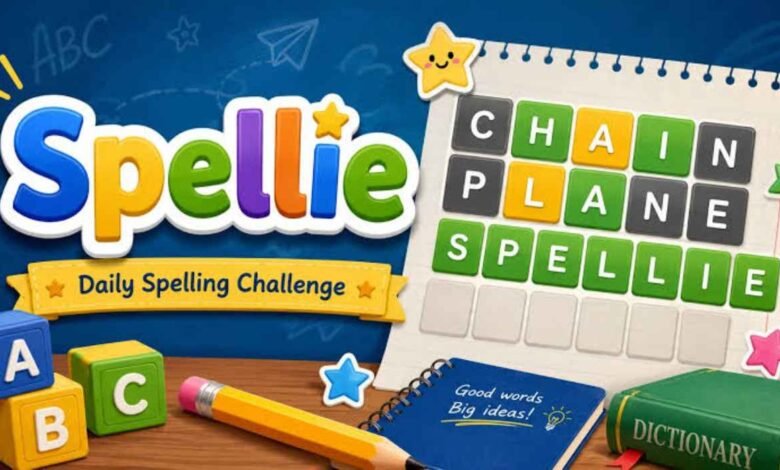
The Spellie Wordle game is an entertaining online word puzzle designed to help children improve their spelling, vocabulary, and problem-solving abilities. Inspired by the popular Wordle format, this educational game offers a friendly experience with simple words, colorful feedback, and different difficulty levels. Players must discover a hidden word within a limited number of attempts by carefully examining the letters and clues provided after every guess. It combines entertainment with learning, making it an excellent choice for families, teachers, and young learners who enjoy language-based challenges.
| Quick Bio | Details |
|---|---|
| Game Name | Spellie |
| Category | Word Puzzle Game |
| Game Type | Daily Spelling Challenge |
| Main Purpose | Spelling and Vocabulary Practice |
| Target Audience | Children and Young Learners |
| Difficulty Levels | Easy, Medium, Hard |
| Attempts | Six Attempts |
| Platform | Web Browser |
| Cost | Free |
| Official Website | spelliegame.com |
1. What Is Spellie Wordle Game?
The Spellie Wordle game is a daily online spelling challenge that encourages players to identify hidden words using logical thinking and letter recognition. Unlike traditional word puzzles, it focuses on vocabulary suitable for younger learners. Players receive colorful clues after entering their guesses, helping them understand which letters are correct and which need to be changed. Its educational approach makes it useful for developing spelling confidence while enjoying a short daily activity. The game is particularly attractive to families looking for interactive learning experiences that do not feel like traditional classroom exercises.
2. How the Game Became Popular
Word guessing games became increasingly popular because they offer simple rules and satisfying challenges. Spellie followed this trend by introducing a version specifically designed for younger audiences. Christopher Porter and David Hirtle developed the project after recognizing that some traditional word puzzles contained vocabulary that was too difficult for their children. Their idea was to create an accessible alternative with familiar words and helpful features. The result was an educational puzzle that combines daily entertainment with practical language development. Its simple design has helped introduce spelling games to a wider audience.
3. Who Created the Game?
The game was created by Christopher Porter and David Hirtle. Their development journey began with an interest in making word puzzles more accessible to children. They wanted younger players to experience the enjoyment of guessing hidden words without becoming discouraged by unfamiliar vocabulary. Their approach focused on creating an original experience with colorful visuals, helpful hints, and age-appropriate challenges. The developers gradually improved the interface and introduced additional features based on their experiences testing the game with children.
4. Main Objective of the Game
The primary objective is to discover a hidden word before using all available attempts. Players enter letters, submit guesses, and examine the feedback displayed on the screen. Every attempt provides information that helps narrow down possible answers. Instead of randomly choosing letters, successful players use clues to make informed decisions. The activity encourages patience, observation, and logical reasoning. It also helps children recognize spelling patterns and understand how individual letters combine to create meaningful words.
5. Understanding the Three Difficulty Levels
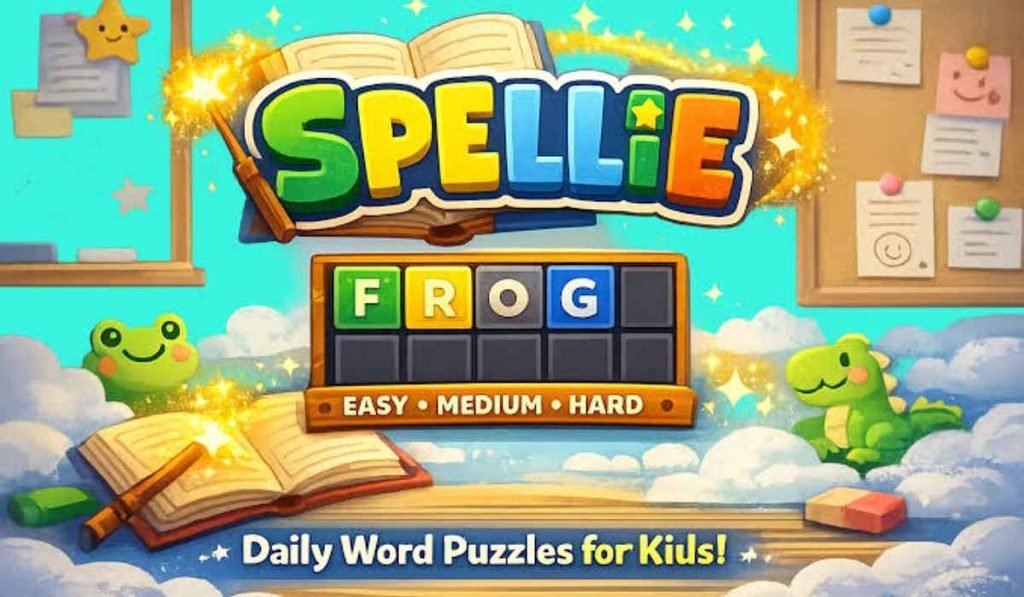
One of the most useful features is its selection of difficulty levels. Players can choose Easy, Medium, or Hard depending on their vocabulary and confidence. Easy mode introduces simpler words, while Medium provides a more demanding experience. Hard mode challenges players with more advanced vocabulary suitable for stronger spellers. These options allow children to improve gradually without facing unnecessarily difficult questions. Parents can also help younger players select an appropriate level according to their learning abilities and experience.
6. How to Play the Daily Puzzle
Getting started is straightforward. Visit the official website using a computer, tablet, or compatible smartphone. Choose the difficulty level you want to attempt and begin entering letters into the puzzle. Submit your guess to receive feedback about the hidden word. Review the colored tiles before making another attempt. Continue using the available clues until you discover the answer or run out of guesses. The instructions are simple enough for beginners, allowing children to understand the basic mechanics after a short introduction.
7. Understanding the Color Clues
Color feedback is an important part of the experience because it helps players understand their progress. A green letter indicates that the letter is correct and occupies the correct position. A yellow letter means the letter belongs to the hidden word but appears in another position. A gray or otherwise inactive letter indicates that the letter is not included in the answer. Understanding these signals helps players eliminate incorrect possibilities and concentrate on promising combinations. Learning to interpret feedback is essential for solving puzzles efficiently.
8. Why Six Attempts Matter
Having six attempts creates an interesting balance between challenge and accessibility. Players have enough opportunities to test different combinations without making the puzzle feel endless. Every guess should provide useful information rather than simply repeating previous mistakes. Children learn to consider available clues before entering another word. This limitation also encourages concentration because each attempt becomes an important part of the solving process. Over time, players can develop better strategies and become more confident when approaching unfamiliar spelling challenges.
9. Benefits for Children’s Vocabulary
Playing spelling puzzles regularly can introduce children to Spellie word unfamiliar words and strengthen their understanding of familiar vocabulary. When a child encounters a new word, discussing its meaning can turn the puzzle into a valuable learning opportunity. Parents can encourage children to write down interesting words and use them in simple sentences. This practice supports vocabulary development and improves language awareness. The game provides an enjoyable starting point for conversations about spelling, pronunciation, word meanings, and everyday communication.
10. Improving Spelling Accuracy
Spelling accuracy develops through practice, observation, and repeated exposure to written language. A daily word challenge encourages children to pay attention to letter order and common spelling patterns. Players gradually learn that changing one letter can produce an entirely different word. They also become more aware of vowels, consonants, and familiar letter combinations. These experiences can complement classroom spelling exercises. Although an online puzzle cannot replace comprehensive language instruction, it can provide additional opportunities to practice essential spelling skills.
11. Developing Logical Thinking Skills
Word puzzles require more than remembering vocabulary. Players must analyze clues, compare possible answers, and eliminate combinations that cannot be correct. This process encourages logical thinking and careful decision-making. Instead of selecting letters without a plan, children begin considering how each attempt can provide useful information. They learn to recognize patterns and make decisions based on available evidence. These abilities are valuable beyond word games because logical reasoning supports learning in mathematics, science, reading, and everyday problem-solving situations.
12. A Helpful Learning Activity for Families
Families can enjoy playing together by discussing possible words and explaining the meaning of different clues. Parents may allow children to suggest guesses while providing gentle guidance when necessary. This shared activity creates opportunities for positive conversations about language and spelling. Younger players may benefit from hearing adults pronounce difficult words or explain unfamiliar vocabulary. The experience can also encourage children to become more comfortable asking questions. A short daily puzzle can therefore become an enjoyable family learning routine.
13. Using the Game in Classrooms
Teachers can use daily spelling puzzles as short classroom activities or language warm-ups. Students can work individually, in pairs, or small groups to identify the hidden word. After completing the challenge, teachers can discuss its definition, pronunciation, and use in sentences. This approach encourages participation while making vocabulary practice more interactive. Teachers should select difficulty levels according to students’ abilities and provide assistance when needed. The game can complement spelling lessons, reading activities, and discussions about English vocabulary.
14. Kid-Friendly Design and Interface
A comfortable interface is especially important when creating digital activities for children. The game uses a bright visual presentation and readable typography to make the experience approachable. Its design focuses on presenting the puzzle clearly without overwhelming players with unnecessary information. Children can concentrate on the letters, clues, and available attempts. The interface also supports an enjoyable learning atmosphere because it makes spelling practice feel more like entertainment than formal homework.
15. Special Features That Make It Different
Several features help distinguish this educational puzzle from traditional word games. Its different difficulty levels provide challenges for learners with varying abilities. Easier puzzles include additional assistance, while the interface offers child-friendly visual elements. The developers have also described features such as an alphabetical keyboard option, flexible letter entry, and collectible emoji rewards. These details help create a more welcoming environment for beginners and encourage experimentation during the learning process.
16. How Hints Help Beginners
Hints can make difficult puzzles more manageable, especially for children who are still developing their vocabulary. Rather than immediately giving away an answer, helpful clues can encourage players to think about possible letter combinations. Parents can also use hints as opportunities to explain spelling patterns or introduce new words. Beginners should feel comfortable using available assistance because learning is more important than solving every challenge without help. Gradually, children may become confident enough to depend less on hints.
17. Improving Your Daily Puzzle Strategy
A good strategy begins with choosing familiar words that provide useful information. Players should examine every letter carefully after submitting an attempt. Correct letters should remain in their confirmed positions, while misplaced letters should be tested elsewhere. Letters that have been eliminated should generally be avoided in future guesses. Children can also benefit from saying possible words aloud before entering them. This combination of visual observation, pronunciation, and logical thinking can make the overall experience more productive.
18. Common Mistakes Players Should Avoid
Beginners sometimes repeat letters that previous clues have already eliminated. Others ignore the position of confirmed letters or rush through guesses without examining the feedback. These habits can waste valuable attempts and make puzzles more frustrating. Players should take a moment after every submission to understand what the colors indicate. It is also helpful to avoid guessing unfamiliar combinations without considering whether they form recognizable words. Learning from mistakes gradually improves confidence and makes future challenges easier.
19. Playing on Smartphones and Tablets
Mobile compatibility makes online spelling games convenient for families and students. Players can access the website through a supported mobile browser without needing a dedicated gaming computer. A touchscreen keyboard provides a simple way to enter letters, while the compact puzzle layout allows users to focus on the challenge. Tablets can be particularly comfortable for younger children because their larger screens make letters easier to see. However, players should always use the official website and an appropriate browser.
20. Is the Game Free to Play?
One appealing aspect of the experience is its accessibility. The official website provides the daily puzzles without requiring users to purchase a subscription to participate. This makes it a practical option for families who want educational entertainment without adding another paid service. Players can visit the website and begin exploring the available challenges. Before using any unofficial website claiming to offer additional features, users should verify whether it is actually associated with the original developers.
21. Differences Between Spellie and Traditional Wordle
Both games use hidden-word guessing and colored feedback, but their intended audiences are different. Traditional Wordle became popular among general audiences, while the children’s alternative focuses on accessible vocabulary and a more welcoming interface. The latter also provides multiple difficulty levels, allowing younger players to select an appropriate challenge. These differences make it particularly useful for families introducing children to daily word puzzles. Both formats encourage deduction, but their vocabulary choices and learning objectives are not identical.
22. Educational Value for Young Learners
Educational games can make practice more engaging when they combine clear objectives with immediate feedback. This puzzle encourages children to connect written letters with familiar words and spelling patterns. It can also promote curiosity when players discover vocabulary they have not encountered before. Teachers and parents can strengthen its educational value by discussing answers after each round. Asking children to explain their guesses or create sentences using new words turns a simple digital activity into a more meaningful learning experience.
23. How Parents Can Encourage Better Learning
Parents can support children’s progress by creating a relaxed environment where mistakes are treated as opportunities to learn. Instead of immediately providing answers, they can ask questions about the available clues. For example, asking which letters are confirmed or which possibilities have been eliminated encourages independent thinking. Parents can also introduce a small vocabulary notebook for recording interesting words. These activities help children connect their gaming experience with everyday reading and writing practice while building confidence.
24. Tips for Teachers and Educators
Teachers should consider using short puzzle sessions that fit naturally into language lessons. Students can discuss their guesses, explain their reasoning, and compare different spelling possibilities. After finding the answer, educators can introduce its definition, pronunciation, and grammatical use. Group activities can encourage collaboration among classmates with different language abilities. It is also important to make sure the selected difficulty level is suitable for the class. Combining digital puzzles with reading and writing exercises creates a more balanced educational experience.
25. Can Adults Enjoy the Game Too?
Although the main audience is young learners, adults can also enjoy these daily spelling challenges. Parents may play alongside children, while teachers can use harder puzzles to refresh their vocabulary skills. Adults who enjoy word games may appreciate the opportunity to solve something simpler and more educational than traditional puzzles. The different levels provide enough flexibility for various abilities. Playing together can also create friendly competition and encourage families to spend more time participating in activities that support language development.
26. Why Daily Challenges Encourage Consistency
Daily puzzles provide a simple reason to return regularly. Because players receive a fresh challenge, the experience can become part of a morning routine or a short break during the day. Consistent practice can help children become more familiar with spelling patterns and vocabulary. However, the activity should remain enjoyable rather than becoming an obligation. A balanced approach allows children to benefit from regular practice while maintaining interest in other educational activities, including reading books and creative writing.
27. Is It Safe and Suitable for Children?
Parents should always consider age suitability, screen time, and online safety when introducing digital activities. The official puzzle is designed with young spellers in mind, but adult guidance remains useful for younger children. Parents should help children understand responsible browsing habits and avoid sharing personal information on unfamiliar websites. It is also sensible to supervise general internet use and establish reasonable screen-time limits. Used appropriately, an educational word puzzle can be a positive addition to a child’s learning routine.
28. Where Can You Play the Official Game?
Players interested in trying the original experience can visit the official website at Spellie Game. The website provides access to its daily spelling puzzles and information about how the game works. Users can select a suitable difficulty level and begin exploring the available challenges. Visiting the original source helps players avoid confusion with unofficial copies or websites using similar names. It is also the best place to check the developers’ own instructions and available game features.
29. The Future of Educational Word Games
Digital learning continues to provide new ways for children to practice important academic skills. Word puzzles are particularly useful because they combine entertainment with activities involving reading, spelling, and reasoning. Future educational games may introduce additional customization, accessibility options, and interactive learning features. Developers can also explore ways to help parents and teachers monitor progress without making the experience overly complicated. Simple games with clear educational purposes are likely to remain valuable tools for encouraging children’s interest in language.
30. Final Thoughts on This Spelling Challenge
The Spellie Wordle game offers an enjoyable combination of daily entertainment and spelling practice. Its accessible design, multiple difficulty levels, and helpful feedback make it an interesting option for children who enjoy solving word puzzles. Parents and teachers can use it to introduce vocabulary discussions, encourage logical thinking, and make language learning more interactive. Although it should complement rather than replace traditional education, it provides a convenient way to practice spelling in a relaxed environment. For additional background about word-guessing puzzles, readers can explore Wikipedia’s Wordle article and visit the official game website for more information.
Frequently Asked Questions (FAQs)
1. What is Spellie Wordle game?
– It is a daily spelling puzzle designed primarily for children, featuring hidden-word challenges and different difficulty levels.
2. Is the game free to play?
– Yes, players can access the official daily puzzles through the website without purchasing a subscription.
3. How many attempts do players receive?
– Players generally receive six attempts to discover the hidden word in each puzzle.
4. What difficulty levels are available?
– The game offers Easy, Medium, and Hard levels to accommodate different spelling abilities.
5. Can children use this game to improve spelling?
– Yes, it provides opportunities to practice vocabulary, recognize letter patterns, and develop spelling confidence through daily challenges.