

1. Introduction to the Burst Fade Haircut
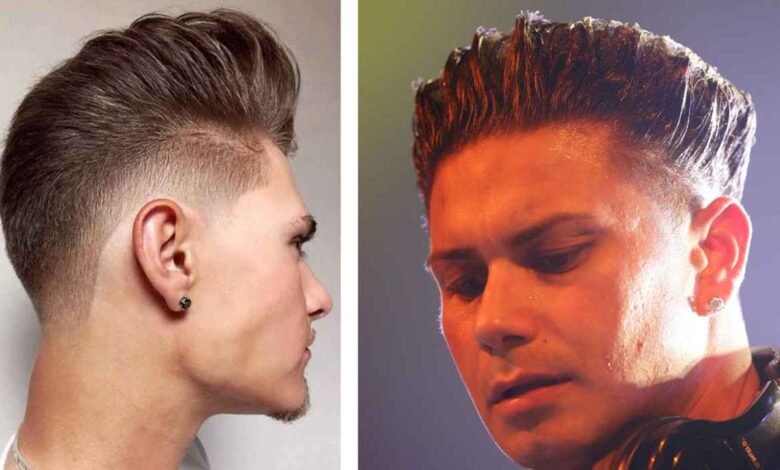
The burst fade haircut has become a popular choice for people who want a modern, clean, and fashionable appearance. Its distinctive curved blending around the ears creates a rounded effect that separates it from traditional haircuts. This hairstyle works beautifully with curly, straight, wavy, and textured hair. It can also be combined with different hairstyles, including mullets, mohawks, and textured crops. Whether someone prefers a subtle appearance or a bold transformation, this haircut offers several possibilities for expressing personal style.
Quick Bio and Style Information
| Feature | Details |
|---|---|
| Hairstyle | Burst fade |
| Category | Modern fade haircut |
| Main Feature | Curved blending around the ears |
| Popular Combinations | Mullet, mohawk, curls, textured crop |
| Hair Types | Straight, wavy, curly, coily |
| Maintenance | Moderate |
| Barber Tools | Clippers, guards, trimmers |
| Overall Appearance | Clean, stylish, and modern |
| Suitable For | Different ages and personal styles |
| Styling Products | Pomade, clay, curl cream, texture spray |
2. What Is a Burst Fade?
A burst fade is a modern haircut technique in which the hair gradually becomes shorter in a semicircular pattern around the ears. Unlike traditional fades that usually travel horizontally around the head, this technique focuses on creating a rounded shape. The barber carefully blends the shorter sections into longer hair above and behind the ears. This produces a balanced appearance while allowing the back and top to maintain their desired length. Its distinctive shape makes it suitable for several contemporary hairstyles.
3. The History of Modern Fade Haircuts
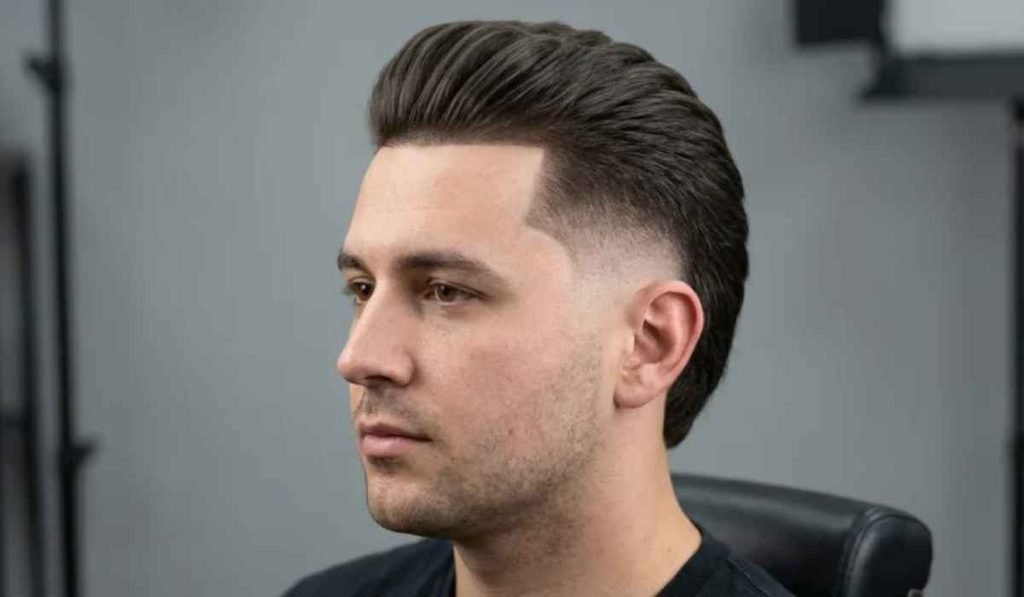
Fade haircuts have developed through decades of barbering traditions and changing fashion preferences. Military-inspired short hairstyles helped popularize clean sides and carefully blended lengths. Over time, barbers introduced different variations that allowed customers to personalize their appearance. Modern techniques eventually introduced more creative patterns, including curved fades and textured combinations. The development of professional clippers and precision trimmers also made detailed blending easier. Today, fade haircuts remain an important part of contemporary grooming culture.
4. Why This Hairstyle Is So Popular
The popularity of the burst fade comes from its ability to combine traditional barbering with modern creativity. Its curved design creates a distinctive appearance without requiring someone to remove all their hair length. Social media platforms, celebrity hairstyles, and professional barbers have helped introduce this look to wider audiences. Another reason for its popularity is versatility. People can choose different heights, lengths, and textures depending on their preferences. This flexibility makes it appealing to individuals with different fashion tastes.
5. Low Burst Fade Style
A low burst fade is an excellent option for people who prefer a softer and more understated appearance. The curved blending begins close to the ears, leaving more natural hair around the upper sides. This creates a balanced hairstyle that looks fashionable without appearing extremely dramatic. It works especially well with short curls, textured crops, and medium-length tops. People who are trying this haircut for the first time may appreciate its subtle finish because it offers a modern appearance without excessive contrast.
6. Mid Burst Fade Style
A mid burst fade creates a stronger contrast than a low variation while maintaining a balanced silhouette. The barber raises the curved blending area slightly higher around the ears, producing a more noticeable transition between short and longer hair. This option works particularly well with curly tops, faux hawks, and modern mullets. It offers enough definition to make the hairstyle noticeable without creating the extremely exposed appearance associated with some higher fades. It is a versatile choice for everyday grooming.
7. High Burst Fade Style
A high burst fade is designed for individuals who enjoy bold hairstyles and stronger visual contrast. The shorter section extends higher around the ears, making the longer hair on top appear more prominent. This version can complement mohawks, textured hairstyles, and dramatic curly tops. The result is a sharper appearance that attracts attention from different angles. However, choosing the correct height is important because an excessively high fade may change the overall proportions of the haircut.
8. Skin Fade Variation
A skin fade variation creates a very clean appearance by gradually blending the hair down to bare skin around the shortest section. This technique requires precision because the barber must remove visible lines and create a smooth transition between different lengths. It works especially well for people who enjoy sharp, high-contrast hairstyles. Combining a skin finish with longer curls or a modern mullet can produce an impressive result. Regular barber appointments help maintain the clean appearance of the haircut.
9. Tapered Burst Hairstyle
A tapered variation offers a softer alternative to extremely short fading. Instead of taking the hair completely down to the skin, the barber keeps a small amount of length around the ears. This creates a natural transition that looks less dramatic and may grow out more smoothly. It is particularly suitable for people who want a professional appearance while still enjoying modern barbering techniques. Pairing this variation with a short textured top can create a neat and comfortable everyday hairstyle.
10. Burst Fade With Curly Hair
Curly hair provides an excellent opportunity to create volume and texture. Keeping the curls longer on top while shortening the area around the ears produces an attractive contrast. The natural curl pattern adds movement and makes the haircut look fuller. Barbers should consider the customer’s curl shrinkage before deciding how much length to remove. Using curl cream or a lightweight leave-in conditioner can help maintain definition. This combination is suitable for people who want to celebrate their natural hair texture.
11. Burst Fade With a Mullet
A modern mullet combines shorter hair around the sides with longer hair toward the back. Adding a curved fade around the ears makes the overall silhouette more distinctive. This combination allows the back section to maintain its length while creating a cleaner appearance around the sides. It can work with straight, wavy, and curly textures. Some people prefer a subtle mullet, while others choose a more dramatic difference between the sides and back. The final shape depends on personal preference.
12. Burst Fade Mohawk
A mohawk-inspired hairstyle is another excellent combination for individuals who enjoy adventurous grooming choices. The central section remains longer while the hair around the ears is gradually shortened. This produces a strong visual separation between the top and sides. The length of the central strip can be adjusted to create a subtle faux hawk or a more traditional mohawk appearance. Styling gel, matte clay, or texture products can help maintain the desired direction and shape throughout the day.
13. Textured Crop Combination
A textured crop is a practical hairstyle that combines shorter top sections with natural movement and definition. When paired with a rounded fade, it creates a contemporary appearance that is easy to manage. The barber can use scissors or texturizing techniques to remove unnecessary bulk from the top. A forward fringe can also make the haircut look more structured. This combination works well for people who prefer shorter hairstyles and want something more interesting than a traditional cropped cut.
14. Burst Fade With Straight Hair
Straight hair can create a particularly sharp and defined appearance because the gradual transition is easy to see. People with straight hair can experiment with textured fringes, combed tops, side-swept styles, and short quiffs. The barber should focus on creating an even blend without removing too much weight from the upper sections. Lightweight styling products can provide additional texture and prevent the hair from looking completely flat. The result can be clean, fashionable, and suitable for everyday situations.
15. Burst Fade With Wavy Hair
Wavy hair offers natural movement that complements the rounded shape around the ears. Keeping some length on top allows the waves to create a relaxed and fashionable silhouette. This combination can look especially attractive when the barber preserves the natural direction of the hair rather than forcing it into an unnatural shape. A small amount of styling cream can improve definition while controlling unwanted frizz. People who enjoy casual hairstyles may find this combination particularly appealing.
16. Burst Fade With Afro-Textured Hair
Afro-textured hair can create impressive volume and definition when combined with carefully blended sides. The natural density allows the top to maintain a rounded or sculpted appearance. A barber should understand the hair’s growth pattern and density before selecting the appropriate blending height. Keeping sufficient length on top can create a balanced silhouette, while the sides remain neat. Moisturizing products and gentle styling routines help maintain the hair’s natural appearance and overall condition.
17. Choosing the Right Style for Your Face Shape
Face shape can influence how a haircut looks because different proportions create different visual effects. People with round faces may prefer additional height on top to create a more elongated appearance. Square faces can work well with balanced proportions and textured finishes. Oval faces generally provide flexibility because many hairstyle shapes complement their natural proportions. Individuals with longer faces may prefer moderate height rather than excessive volume. A professional barber can recommend adjustments based on facial features and hair growth.
18. How to Explain Your Desired Haircut to a Barber
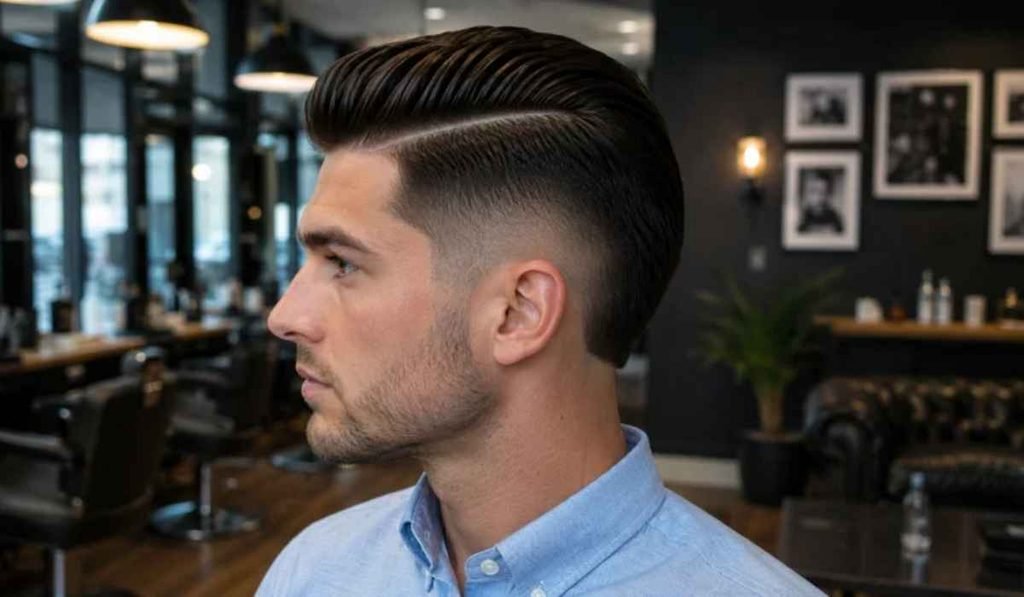
Clear communication is essential when requesting a detailed haircut. Customers should explain the desired fade height, the length around the ears, and how much hair they want to preserve at the back. Showing photographs from the side and rear can prevent misunderstandings. It is also useful to explain whether the preferred finish is subtle, blended, or extremely sharp. Discussing these details before the barber begins cutting helps ensure that the final hairstyle matches the customer’s expectations.
19. The Barbering Process
Creating a professional burst fade requires careful planning and precise clipper work. The barber generally identifies the curved shape around the ear before beginning the blending process. Different clipper guards help gradually reduce the hair length while maintaining a smooth transition. Trimmers may be used to clean the outlines and improve definition. The barber then connects the sides with the top and shapes the remaining hair according to the requested style. Attention to detail is important throughout the process.
20. Essential Tools Used by Professional Barbers
Professional barbers use several tools to create clean and consistent hairstyles. Hair clippers with adjustable blades are useful for removing bulk and creating different lengths. Guard attachments help maintain control during the blending process. Detail trimmers create sharp outlines around the ears and neckline. Barber scissors are helpful when shaping longer sections, while combs assist with sectioning and controlling hair. Some professionals also use blow dryers and styling brushes to finish the haircut and demonstrate its final appearance.
21. How to Maintain Your Haircut
Maintaining a fresh appearance requires regular grooming and attention to hair health. The curved area around the ears can lose its definition as new hair grows. Many people schedule barber visits every two to three weeks, although the ideal interval depends on the desired finish and hair growth. Washing the hair when necessary, using suitable conditioners, and avoiding excessive heat can also support a healthy appearance. A consistent grooming routine helps keep the overall hairstyle looking intentional.
22. Best Styling Products for This Haircut
Choosing appropriate styling products depends on hair texture and the desired finish. Matte clay can provide texture and a natural appearance, while pomade may offer additional shine and control. Curl creams are useful for defining naturally curly hair without making it excessively stiff. Lightweight texture sprays can add movement to straight or wavy hair. Customers should avoid applying excessive product because heavy buildup may make the hair look greasy. Using a small amount and adjusting gradually usually produces better results.
23. Common Mistakes to Avoid
One common mistake is choosing a fade height without considering the overall haircut. Another is failing to explain how much length should remain at the back. Some customers also select styling products that are unsuitable for their natural hair texture. Attempting to recreate a professional curved blend at home without sufficient experience can create uneven patches. Bringing reference photographs, communicating clearly, and choosing an experienced barber can reduce these problems and improve the final result.
24. Is This Hairstyle Suitable for School and Work?
A modern haircut can be suitable for different environments when its height, length, and finish are selected carefully. A low or tapered variation generally creates a more understated appearance, making it easier to adapt to professional settings. Students may prefer shorter tops because they require less daily styling. People working in creative industries may feel comfortable experimenting with more dramatic combinations. Ultimately, workplace dress codes, school policies, and individual preferences should guide the final decision.
25. Differences Between Burst, Drop, and Regular Fades
Although these haircuts share similar blending techniques, their shapes are different. A traditional fade usually follows a more continuous path around the head. A drop fade gradually lowers toward the back of the head, creating a curved line across the sides. A burst fade concentrates its rounded transition around the ears rather than creating a continuous short band around the entire head. Understanding these differences helps customers communicate their preferred appearance more accurately.
26. How Long Does the Haircut Last?
The appearance of a fresh fade changes as the hair grows. Very short sections may begin losing their sharp definition within the first couple of weeks. Longer and softer variations can remain presentable for a greater period, depending on individual growth patterns. People who prefer an extremely clean finish may need more frequent barber appointments. Those who enjoy a natural appearance can allow additional time between visits. The best schedule is one that matches personal grooming preferences.
27. Can You Create This Hairstyle at Home?
Some people attempt to recreate their preferred hairstyle using personal clippers and trimmers. However, creating a symmetrical curved blend requires experience, especially around the ears and back of the head. Beginners may find it difficult to maintain an even transition while working with different clipper guards. Simple maintenance, such as cleaning an already established neckline, may be easier. For the initial haircut, visiting an experienced barber is generally the safer option for achieving balanced results.
28. Celebrity and Social Media Influence
Celebrity grooming choices and social media have influenced modern hairstyle trends. Athletes, musicians, entertainers, and online creators frequently introduce new combinations of traditional and contemporary cuts. Photographs and short videos allow viewers to examine hairstyles from multiple angles before visiting a barber. This exposure has encouraged people to experiment with different lengths and textures. However, a hairstyle should be selected according to individual preferences rather than copied simply because it appears popular online.
29. Advantages of Choosing This Modern Haircut
One major advantage is its versatility. The same curved blending technique can complement different top lengths and textures. It can also create a clean appearance around the ears while preserving additional length at the back. Another advantage is personalization because customers can select different fade heights and finishes. The haircut can look subtle or dramatic depending on the barber’s approach. These qualities make it a flexible option for people who enjoy experimenting with their personal appearance.
30. Potential Disadvantages to Consider
Despite its versatility, this hairstyle may not suit everyone’s grooming routine. Very short versions can require frequent maintenance to preserve their sharp appearance. A poorly executed blend may look uneven, especially around the curved section behind the ears. Some people may also prefer a more traditional haircut that requires less barber attention. Considering maintenance costs, styling preferences, and personal comfort before making a decision can help customers select a hairstyle they will enjoy.
31. Future Trends in Modern Fade Hairstyles
Barbering continues to develop as professionals experiment with different combinations of length, texture, and blending techniques. Modern hairstyles increasingly emphasize personalization instead of following one fixed appearance. Natural curls, textured fringes, creative mullets, and softer transitions remain popular choices in contemporary grooming discussions. Improved tools and barber education also make detailed designs more accessible. Future trends will likely continue combining traditional cutting skills with individual creativity and practical everyday styling.
32. Final Thoughts on Choosing the Perfect Style
Choosing the right haircut involves understanding personal preferences, natural hair texture, face shape, and maintenance requirements. A well-planned style can create a balanced appearance while allowing individuals to express their personality. Customers should discuss their preferred length, curved blending, and back shape with an experienced barber before beginning. Looking at several reference photographs can also make communication easier. The best hairstyle is ultimately one that feels comfortable, suits daily life, and supports personal confidence.
Frequently Asked Questions
1. What Is a Burst Fade Haircut?
- It is a modern haircut featuring a rounded blending pattern around the ears, creating a distinctive and clean appearance.
2. Is This Haircut Suitable for Curly Hair?
- Yes, curly hair works particularly well because its natural volume creates an attractive contrast with the shorter sides.
3. How Often Should You Get a Fade Refreshed?
- Many people visit their barber every two to three weeks, depending on hair growth and their preferred level of sharpness.
4. Can You Combine a Burst Fade With a Mullet?
- Yes, combining these styles creates a modern appearance by keeping the back longer while maintaining clean, blended sides.
5. Is This Haircut Suitable for Straight Hair?
- Yes, straight hair can create a sharp and defined appearance when the barber carefully blends the sides and shapes the top.
Related Wikipedia Resources
For readers interested in learning more about haircut terminology, barbering techniques, and the history of modern hairstyles, Wikipedia provides useful background information. You can explore the Fade (haircut) Wikipedia article to understand the general fading technique and its different variations. This resource can help readers discover how contemporary hairstyles have developed and why blending remains an important part of modern barbering. Exploring related grooming information can also make it easier to choose a hairstyle that matches individual preferences.
